
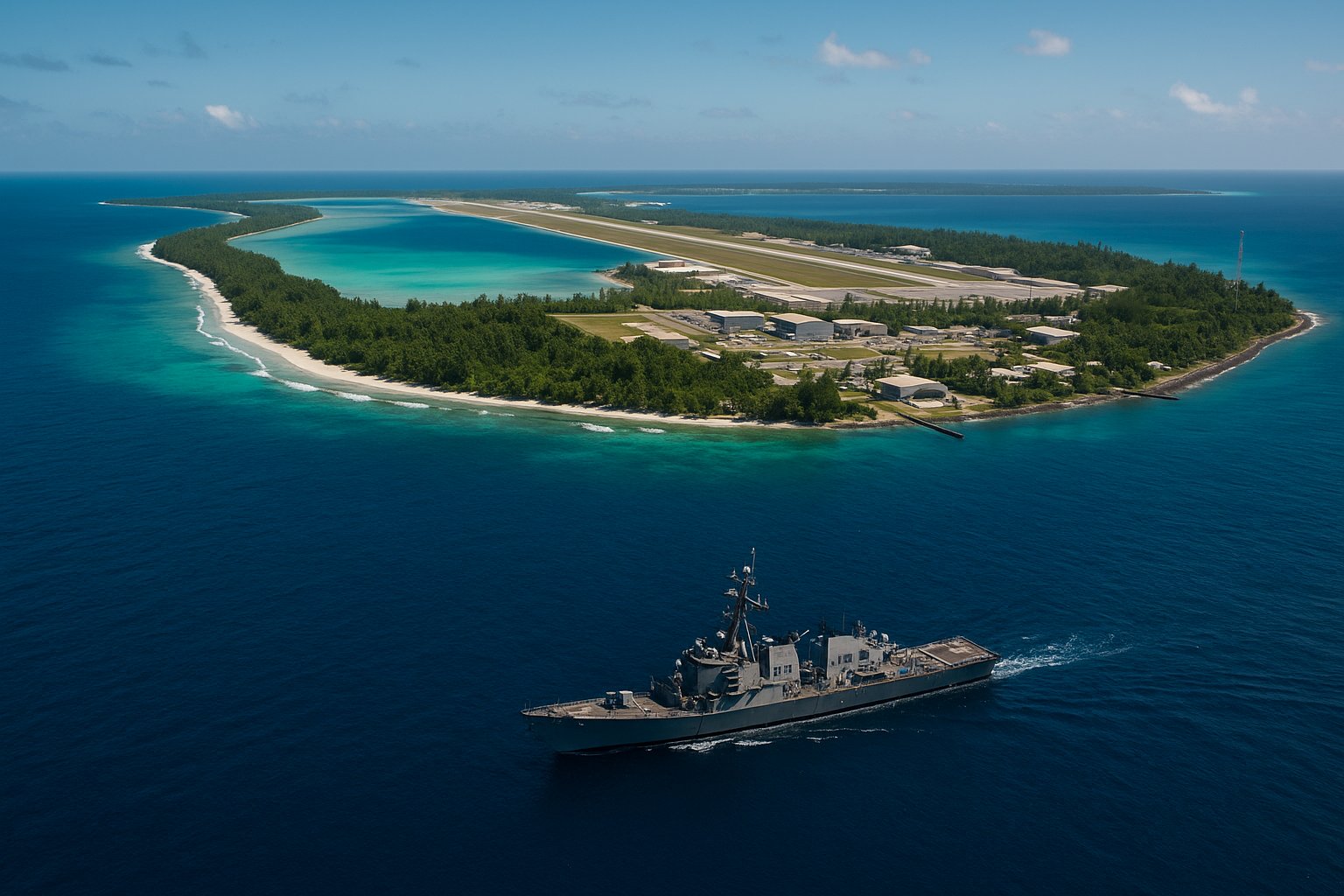
Strip away the spin and one conclusion is unavoidable: the argument for surrendering the Chagos Islands to Mauritius has fallen apart. What Sir Keir Starmer's Government once sold as a measured, necessary security arrangement has turned into a treaty that is legally questionable, strategically reckless, environmentally dangerous, financially indefensible and, above all, unnecessary.
Fresh evidence from the United States, repeated warnings from military chiefs and a pile-up of parliamentary and legal objections have laid bare an uncomfortable truth. There is no longer any credible reason to push ahead with this transfer of sovereignty.
Should this Bill pass, it will not be because it is the right thing to do. It will be because ministers chose stubbornness over the facts. At the Great British PAC we have set out the case point by point, and it is overwhelming.
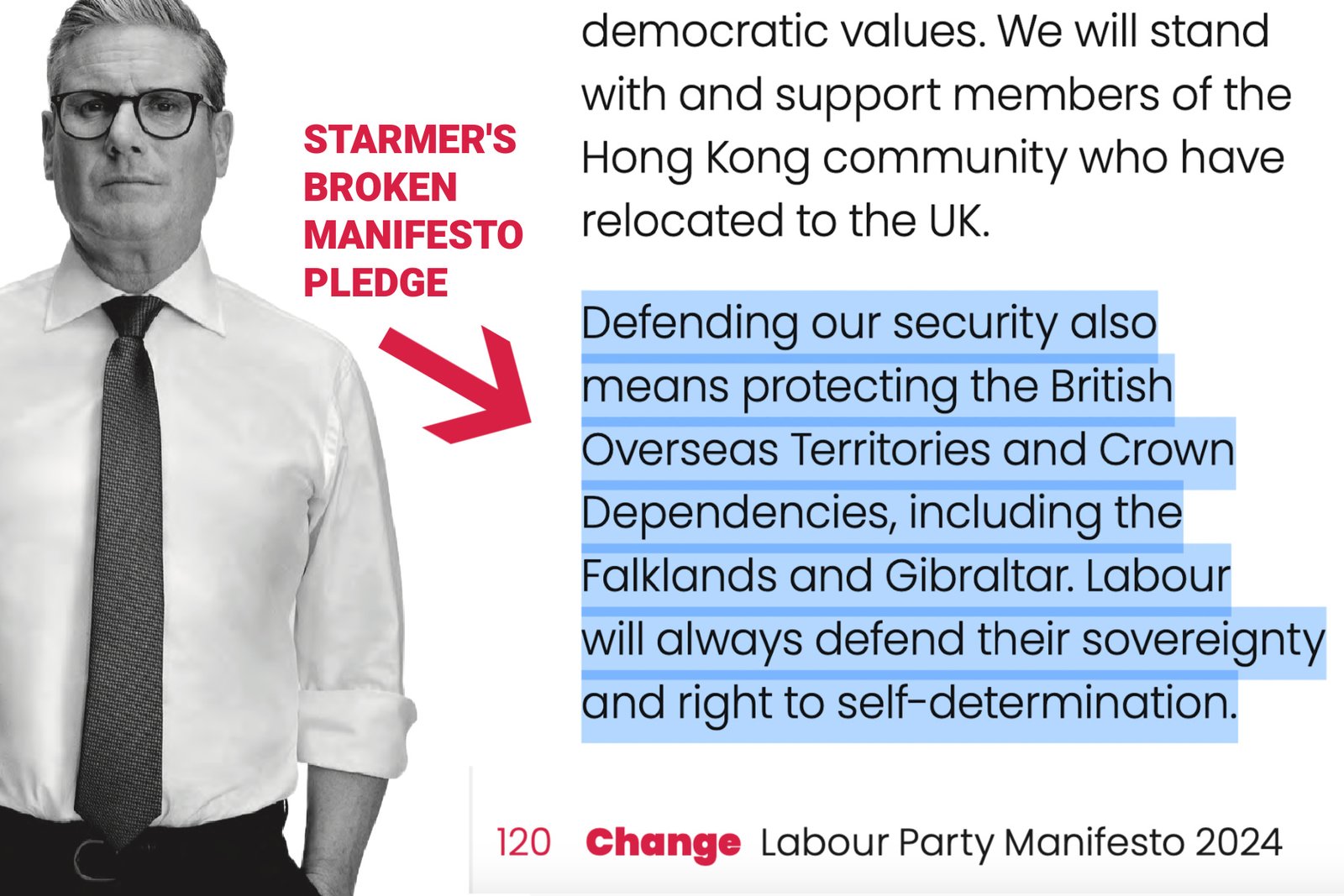
1) It was never in Labour's manifesto — in fact it breaks it
When Labour fought the July 2024 election, it promised to always defend the sovereignty of British Overseas Territories and to uphold their right to self-determination.
The Diego Garcia and BIOT Bill does precisely the opposite. It hands sovereignty over the Chagos Archipelago away from a British Overseas Territory, while giving the Chagossian people no binding act of self-determination. The best on offer is a non-binding, uncertain process — and sovereignty is ceded either way.
There was no manifesto pledge to give up Chagos. The pledge ran the other way. This Bill is a direct breach of Labour's own promise.
2) The United Nations has told Britain to stop
In a remarkable intervention, the UN Committee on the Elimination of Racial Discrimination has formally called on the UK to suspend ratification of the treaty.
This is no routine grumble. It is a rare and serious rebuke from a core body within the international human rights system — and the Government has simply ignored it. If Parliament forges ahead, it will not be upholding international law. It will be overruling it.
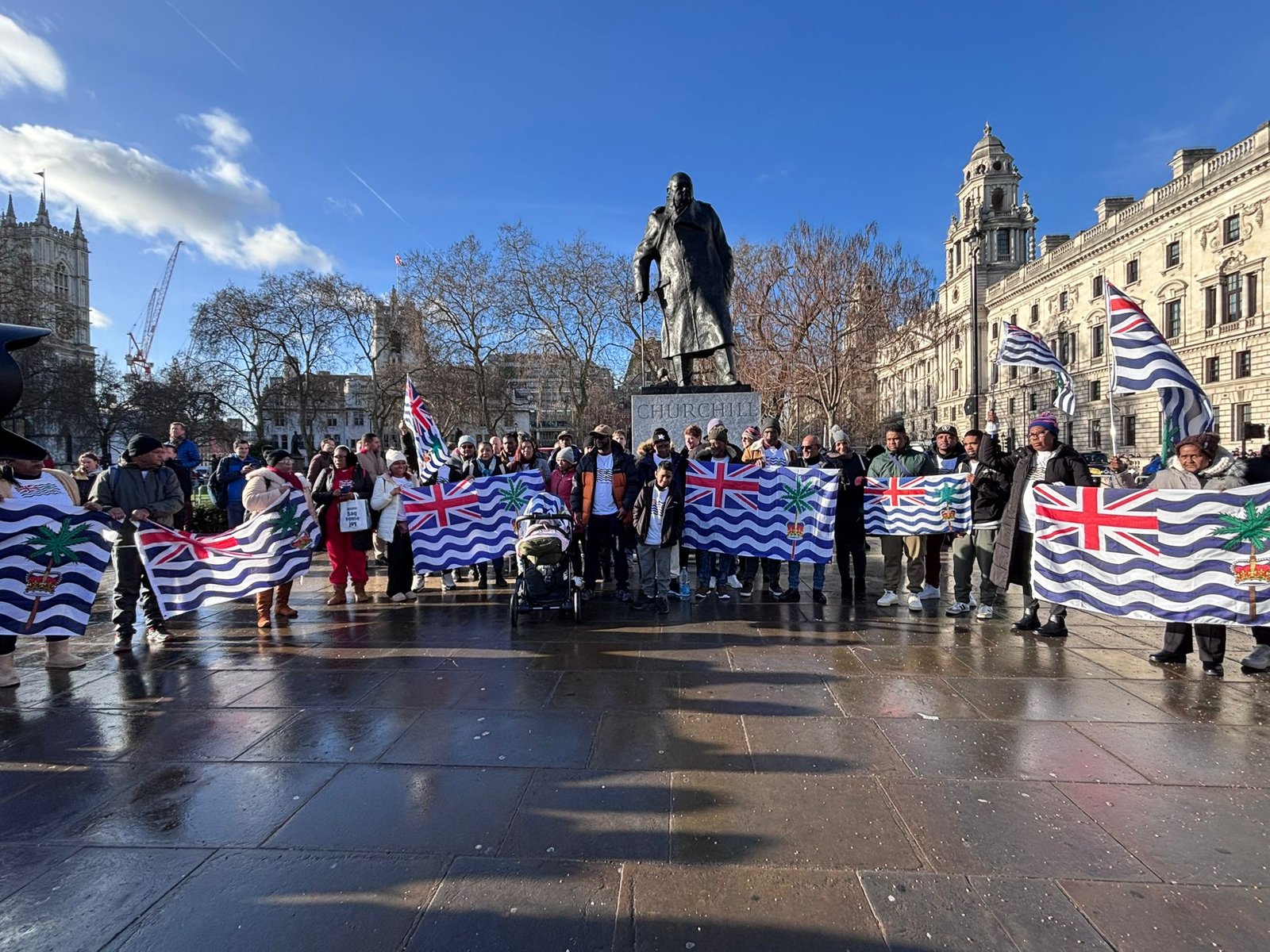
3) The Chagossians are once again denied real self-determination
The Bill alters the territorial status of the Chagos Islands without any credible, binding referendum capable of stopping the transfer. There is no clear way to honour a “no” vote from the Chagossian people. Their future is being decided over their heads, exactly as it was in the 1960s and 70s.
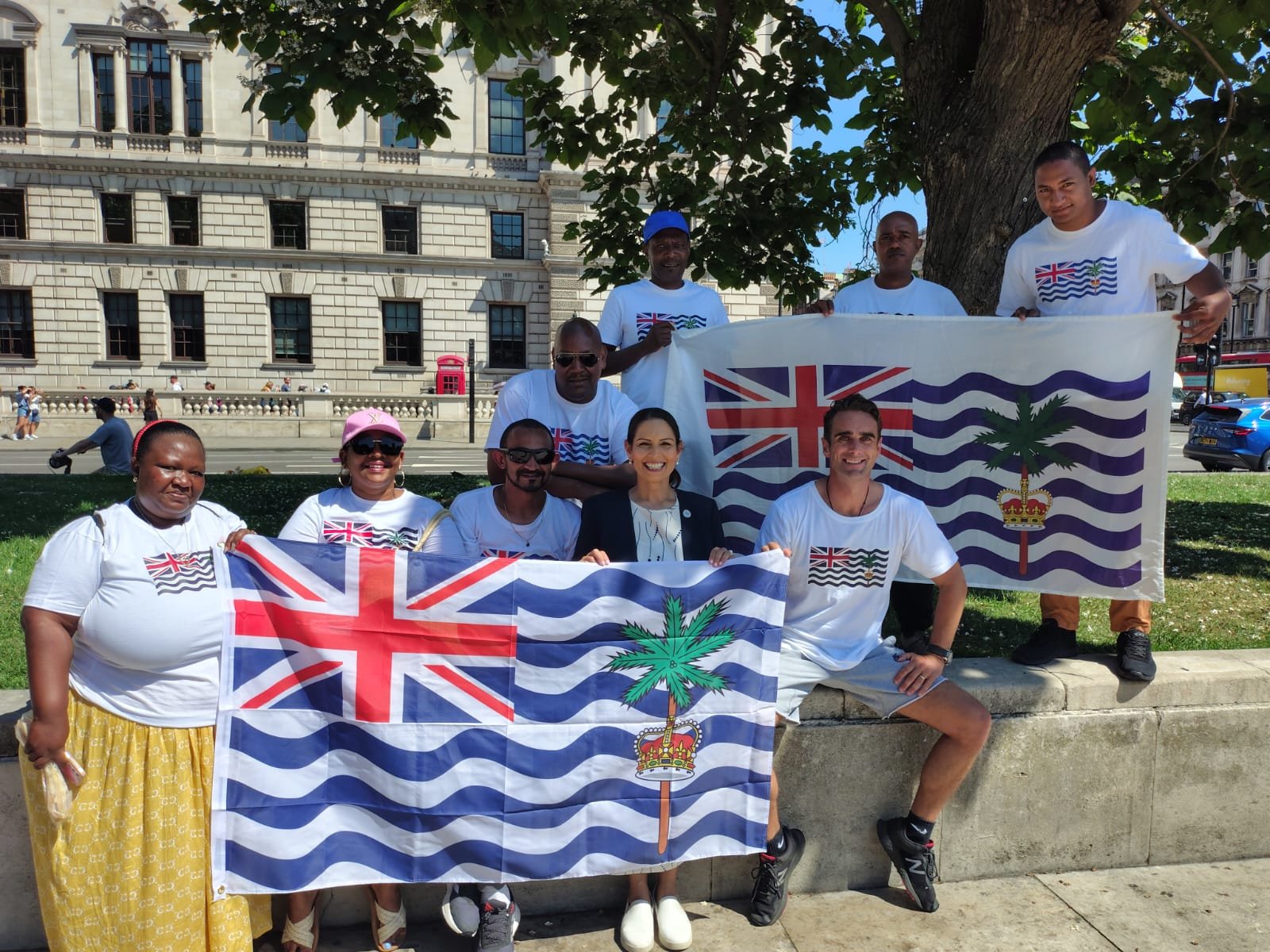
Their sense of betrayal runs so deep that they have now formed a Government in Exile, vowing that it will stand until they are granted a binding referendum on the future of their homeland.
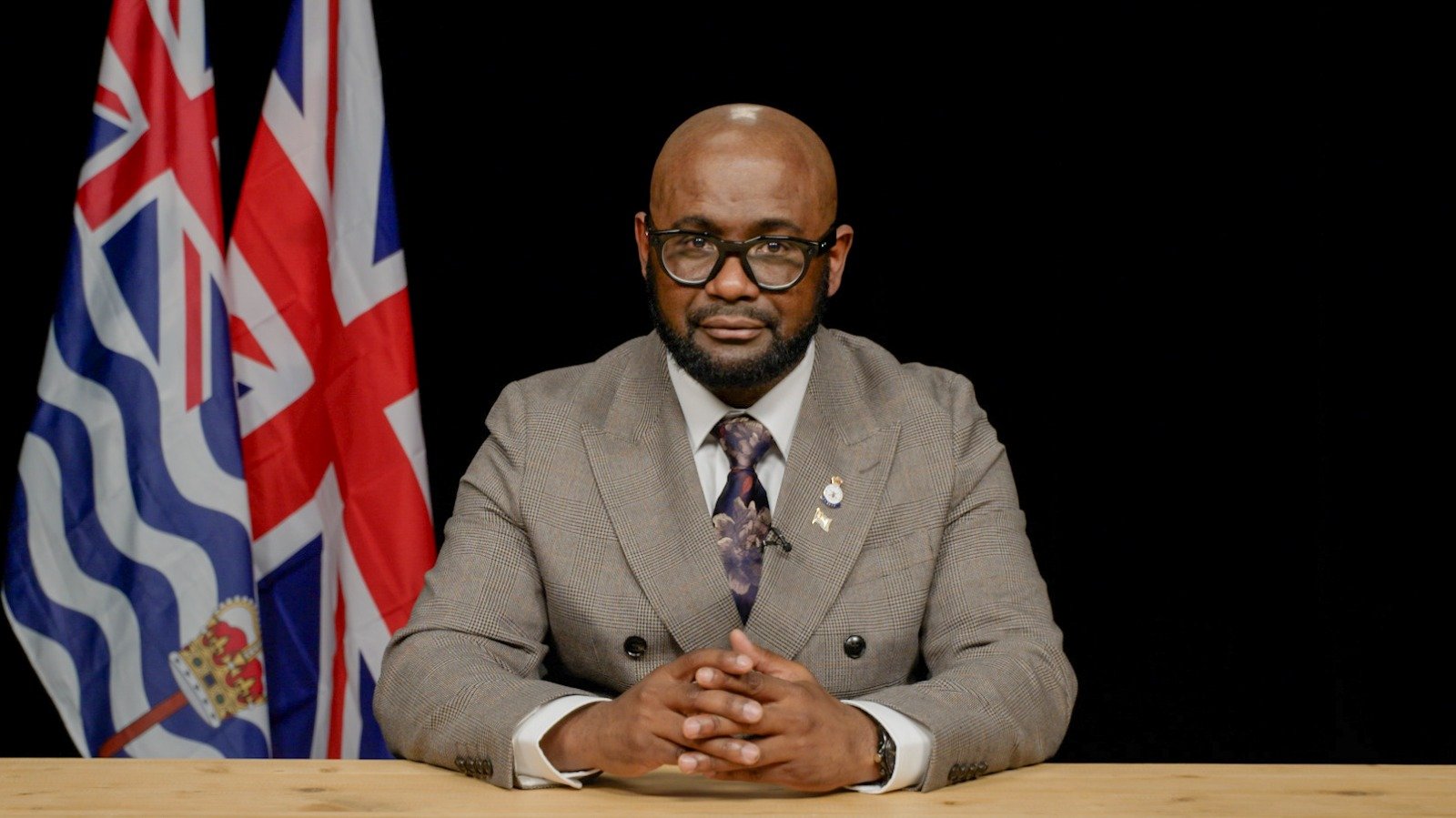
4) A lawful, workable British alternative was brushed aside
A clear alternative was always available: resettle Chagossians on their islands, excluding Diego Garcia; keep BIOT as a self-governing British Overseas Territory; preserve the US base with full operational freedom; and sidestep complications under the Pelindaba Treaty, which the UK has not signed.
That route would have safeguarded sovereignty, rights, security and the environment all at once. It was never seriously pursued — and it needs to be revisited.
5) Resettlement under Mauritius is unrealistic
Mauritius lies more than 1,000 miles away and has no navy of its own. So unable is it to project authority that both the UK and India have had to lend ships simply so Mauritian officials could raise their flag in Chagos.
A state that cannot even reach its own territory unaided will plainly struggle to support Chagossian resettlement, build infrastructure, maintain transport links or govern so remote an archipelago. In practice, the promise of resettlement under Mauritius is hollow.
6) Parliamentary scrutiny was curtailed
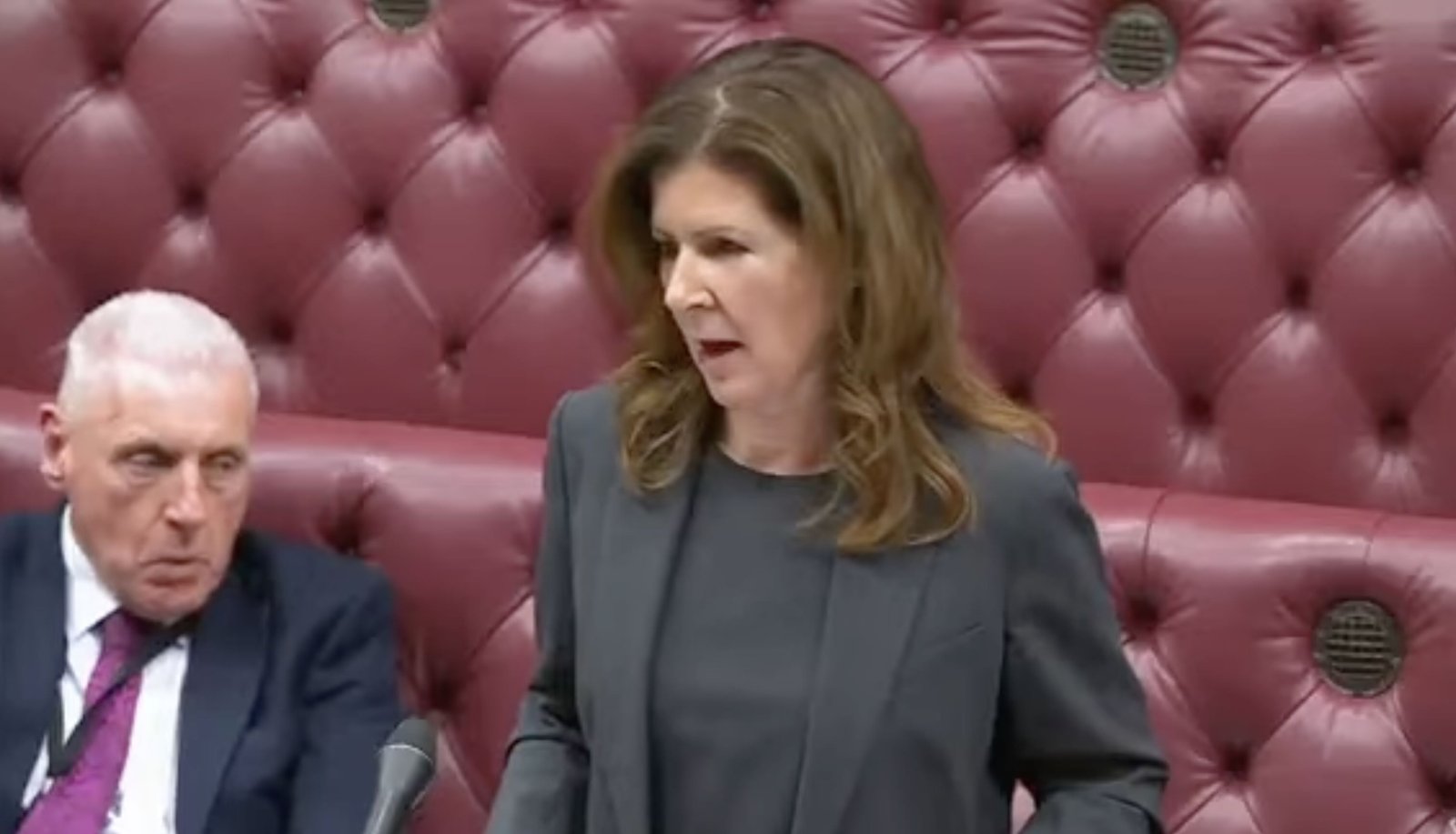
In the Commons, the Government tried to squeeze Committee, Report and Third Reading into a single day, effectively gutting scrutiny of a treaty with consequences that will last generations.
A cross-party CRaG motion to block ratification — signed by 107 MPs from six parties — was denied a debate altogether. This was not orderly lawmaking. It was a rush job.
7) The Lords' Third Reading was highly irregular
At Third Reading, peers were asked no fewer than four times whether they were content with the Government's motion. On at least the first three, “not content” was clearly audible, and a division should have been called.
Instead, the Deputy Speaker and Government Chief Whip intervened mid-vote, sowing confusion. Conservative and Crossbench peers were wrongly told they were voting against their own motion. No division ever took place — an episode that has damaged confidence in the integrity of the process.
8) Environmental catastrophe now looms
For more than 50 years Britain has kept the Chagos Islands pristine. Of the 60 islands, 59 are home only to wildlife, and the UK created and enforced one of the world's most important Marine Protected Areas, safeguarding coral reefs, tuna stocks and extraordinary biodiversity.
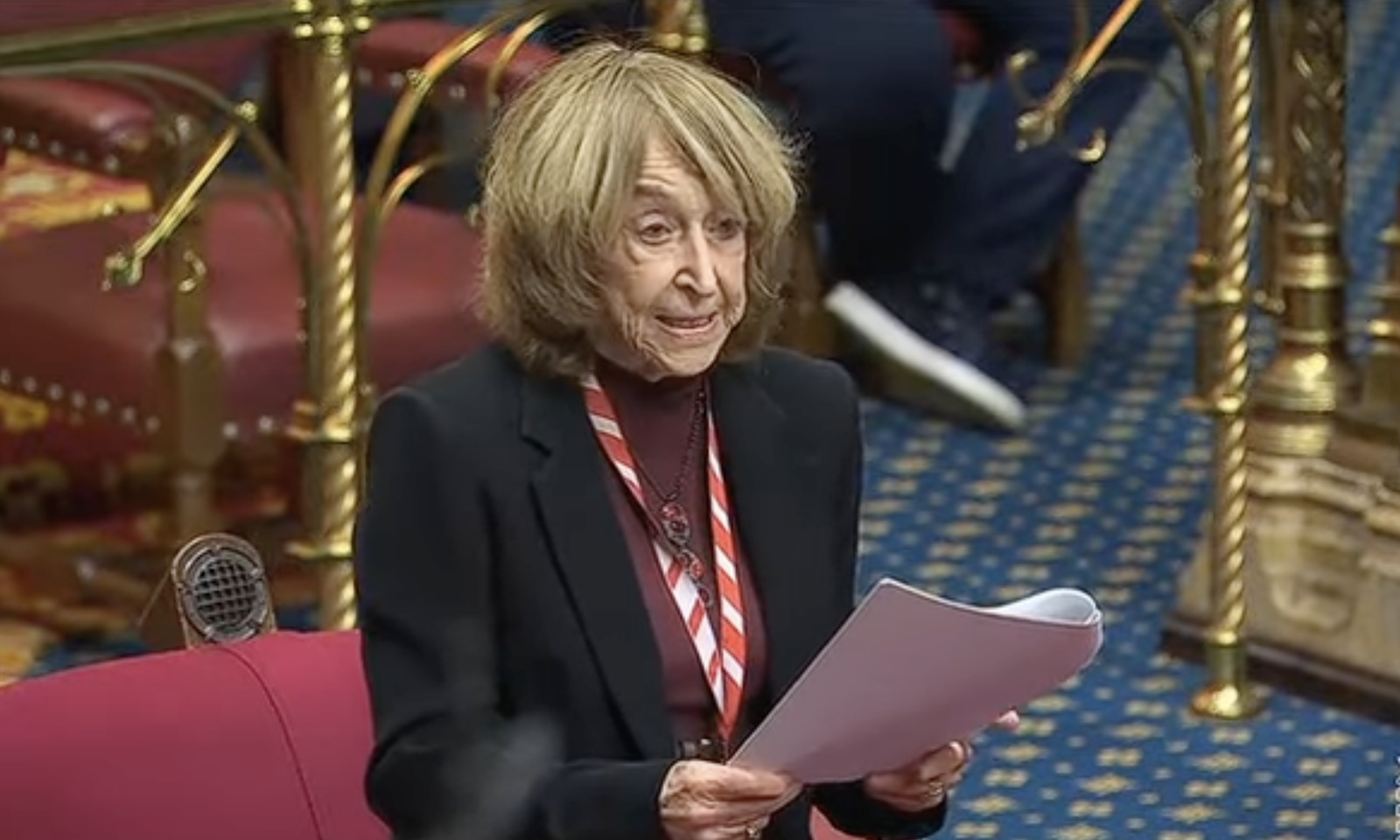
Mauritius sits over 1,000 miles away, lacks naval, financial and enforcement capacity, and is already signalling openness to commercial fishing. Labour's own minister, Baroness Chapman, conceded in the Lords that Mauritius lacks the capability to protect the area. A Mauritian Fisheries Minister has even said Mauritius could license trawlers to fish anywhere in the Chagos EEZ — proof that the risk of exploitation is real, not theoretical. Once sovereignty is surrendered, that environmental protection cannot be clawed back.
9) The Pelindaba Treaty poses a serious military risk
Mauritius is a signatory to the Pelindaba Treaty, which bans nuclear weapons on African territory. Diego Garcia, meanwhile, has long supported missions involving nuclear-powered vessels and platforms vital to Western deterrence and power projection.
Even where assurances are given now, a future Mauritian government — or third parties — could invoke Pelindaba to challenge or constrain those operations. Under current British sovereignty, that risk simply does not exist.
10) Global security is weakened, not strengthened
The treaty would put 60 strategically vital islands under a state with no navy, leave the UK with merely a right to object — not a veto — over developments across 59 islands, install a foreign sovereign landlord over a critical base, and import arbitration, long-term payments and exposure to diplomatic pressure.
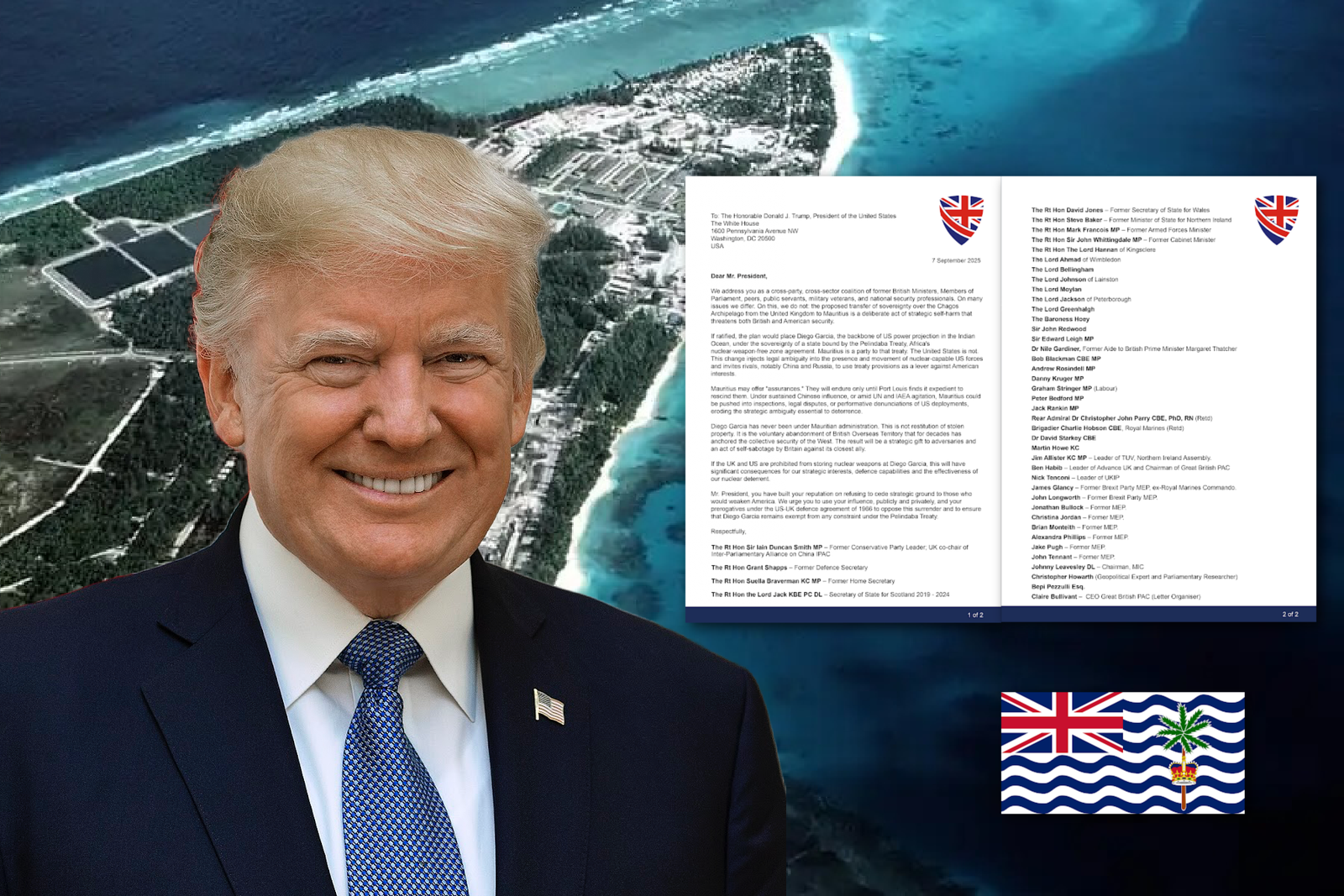
In an age of lawfare and geopolitical coercion, that is not diplomacy. It is strategic self-harm. More than 40 senior British figures, including former Prime Ministers and Defence Ministers, have urged President Trump to block Starmer's deal precisely because of those global security risks.
11) A dangerous precedent for other British territories
The Bill treats a non-binding advisory opinion of the International Court of Justice as though it were decisive on British sovereignty.
If Parliament swallows that, it sets a precedent that could be turned against Gibraltar, the Falklands, Ascension, and Akrotiri and Dhekelia. No British Overseas Territory would be safe.
12) Parliament's authority is diminished
This Bill asks Parliament to accept that sovereignty can be surrendered, peoples ignored, international warnings dismissed, environmental stewardship abandoned and scrutiny curtailed. If that stands, future governments will reach for it again and again.
13) There is a live Judicial Review
A Judicial Review organised by the Great British PAC and fronted by the Chagossian people themselves was heard in October, and judgment has been delayed.
Parliament may finish this process before the court has ruled, in effect nullifying the Chagossians' right to be consulted. For many MPs, that is a serious rule-of-law concern.
14) Starmer's central argument has collapsed
The Prime Minister's headline claim has always been that the treaty is needed to secure the Diego Garcia base. That argument is now untenable.
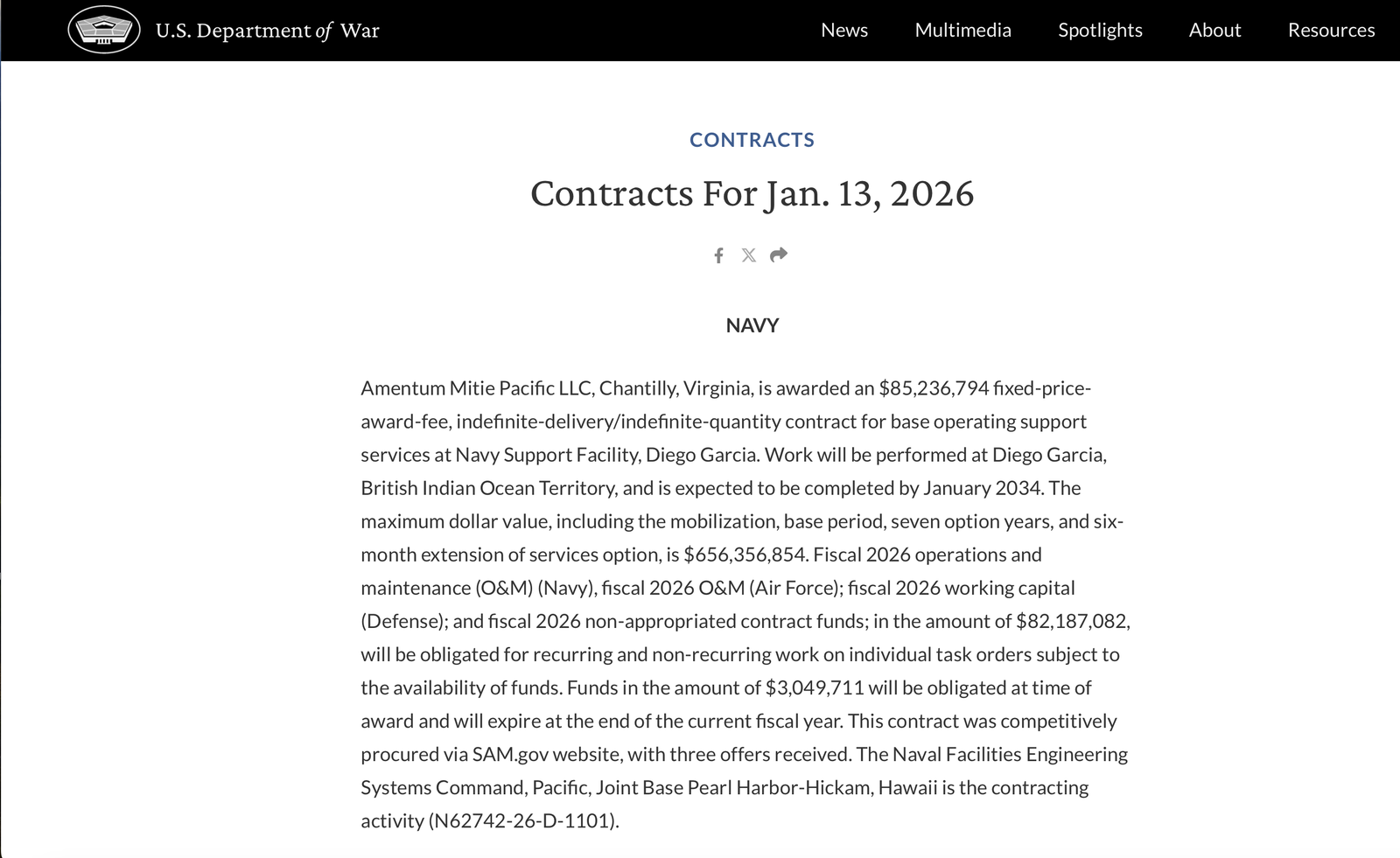
On 13 January 2026, the US Department of Defense awarded a 656 million dollar contract to Amentum Mitie Pacific for base operating support services at Diego Garcia, running to 2034. This shows the US is planning a long-term presence under existing arrangements, that there is no imminent legal or operational crisis forcing a sovereignty transfer, and that Diego Garcia is functioning, funded and strategically valued without the treaty. In short, the base is already secure — and Starmer's final justification has evaporated.
15) The taxpayer faces a bill of up to £35 billion
The Government initially put the cost of the treaty at around £3.4bn. The Government Actuary's Department later indicated it could be nearer £34–35bn.
Payments are tied to UK inflation for 99 years — uncapped, unpredictable and legally binding. At a time of strained public finances, that is fiscal recklessness.
16) Even the Top Brass have warned it is dangerous
Retired admirals and generals, among them former commanders with experience across the Indo-Pacific, NATO and US-UK operations, have warned that turning a sovereign base into a leased one under a third country introduces unacceptable strategic risk.
Their message could not be clearer. Sovereignty matters for military freedom of action, and this treaty weakens rather than strengthens allied security.
Conclusion: keep Chagos British
Taken together, these are not minor quibbles. They amount to a comprehensive failure of consent, legality, stewardship, scrutiny, financial responsibility and national security judgment.
There is now no credible security case for handing over the Chagos Islands. There is only political obstinacy. Every MP should look at the evidence and vote this Bill down. Britain should keep Chagos British.
By Claire Bullivant