One question has hung over the Great British PAC and the wider Chagossian community for months on end: will a court let the Judicial Review into the future of the Chagos Islands actually proceed? We have looked to the High Court for that answer patiently and respectfully, though our concern has steadily grown as the silence has continued.
Our hearing has already taken place. The case was argued, Ministers were put on the spot, and a body of evidence — reaching back through history, anchored in law, and at its heart deeply human — was set out in the open. Even so, the bench has produced nothing. Judgment was originally flagged for late October, then pushed to November, and the parties were lately assured a ruling would arrive before Christmas. None has.
For the moment, nobody can say what lies behind the hold-up. What is not in question is just how much rides on the outcome.
A community in limbo, waiting to be heard
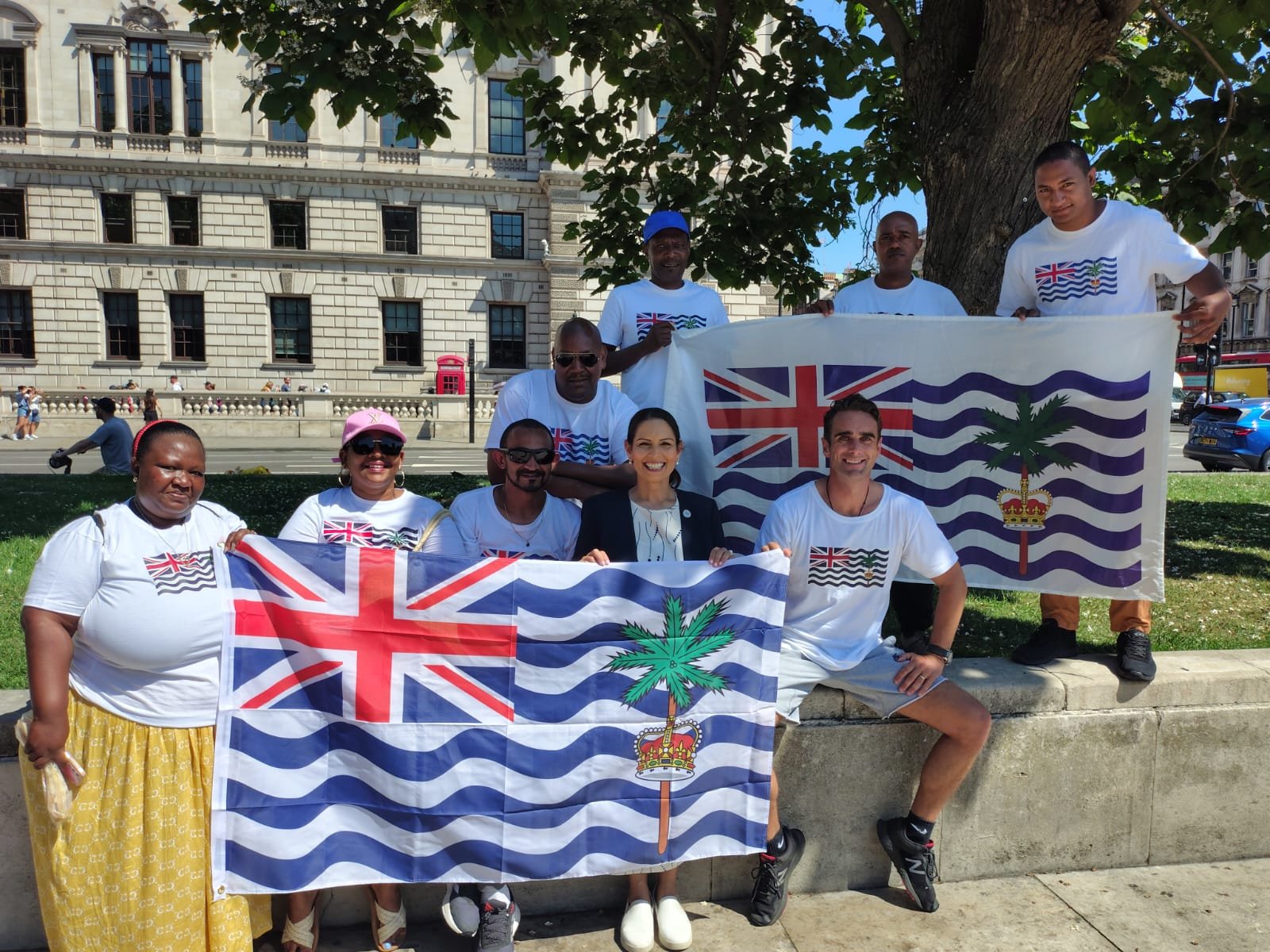
Spread across the globe, the Chagossian population numbers somewhere between 8,000 and 10,000 — and every one of them is still asking for something modest: to be consulted properly, and to count in the choices made about their own homeland.
None of this is theoretical. Pollsters verified the responses of 3,500 Chagossians — a striking proportion of so tiny a community — and found that upwards of 99 per cent want to stay British. That unmistakable, democratic expression of who they are is being waved away by the very people pressing on with policies that will decide the islands’ fate, all without any real Chagossian say.
Which is precisely why this Judicial Review is no box-ticking exercise but a democratic safeguard of the first importance. A Parliamentary Committee circulated a brief questionnaire that, as video evidence indicates, was partly completed by Mauritian officials rather than by the Chagossians it was meant for — and such a thing can never replace the full, substantive consultation that a Judicial Review order could compel. Fairness, openness and real regard for what the Chagossian people want and deserve can only come from a proper process built on close scrutiny, thorough evidence and the legal standards already laid down.
On paper the claimant is Misley Mandarin, yet the challenge has reached this stage solely because the Great British PAC community — supporters, donors, volunteers and our legal team — made it possible. Our Chairman, Ben Habib, deserves particular thanks for a generous £10,000 contribution, as does a further donor who has helped enormously while choosing to stay anonymous. Hundreds of others gave by way of the crowdfunder, a broad and sincere show of commitment to justice. That crowdfunder is open once more, and since money may be needed at short notice for an appeal or other work, please do mention it to friends and urge them to give: Stop the Chagos Betrayal – a Politics crowdfunding project.
A sudden intervention from the United Nations
As the wait for the High Court continues, a weighty international development has surfaced — adding to the pressure on the UK Government and throwing the urgency of the Judicial Review into sharper relief.
The UN Committee on the Elimination of Racial Discrimination (CERD) issued an Early Warning and Urgent Action Decision on 2 December 2025. Blunt and, in places, severely critical, its findings make for uncomfortable reading.
CERD has urged the United Kingdom and Mauritius alike to stop short of ratifying the bilateral agreement on the Chagos Archipelago’s future that the two states struck on 22 May 2025. The Committee registered “deep concern,” and in certain respects “alarm,” over an agreement that, in its assessment:
- Does not obtain the free, prior, and informed consent of the Chagossian people,
- Curtails how they may exercise their right to self-determination,
- Includes terms at odds with the International Court of Justice advisory opinion and the 2019 UN General Assembly resolution,
- Keeps in place discriminatory limits on Chagossians returning home, Diego Garcia among them,
- Was reached with no meaningful part played by the Chagossians themselves.
The Committee’s own wording leaves little doubt; it declared itself:
“Gravely concerned about the reported lack of consultation with the Chagossian people, restricting the exercise of their right to self-determination.”
Both governments, the Committee said, should reach out to the Chagossian people at once, obtain their free, prior, and informed consent, and honour their human rights under international law — among them the right to return, the protection of their culture, and full reparations for the wrongs of the past.
The barrister James Tumbridge summed it up plainly:
“The UN says the UK’s giveaway of the Chagossian homeland must stop. It is time to talk to the people.”
Why this matters for the Judicial Review
Strictly speaking, the Judicial Review at the High Court does not take aim at the treaty itself. Its target is how the UK Government reached its decisions at home — most pointedly the route by which Chagossians were excluded from any meaningful consultation, and the extent to which Ministers neglected the country’s international obligations.
This fresh UN decision lands squarely on ground the claimants had already covered in their Skeleton Argument, in particular:
- The UK’s obligations under the International Convention on the Elimination of All Forms of Racial Discrimination,
- The requirement for rational and fair decision-making informed by those obligations,
- The need for genuine consultation with those directly affected.
With that in view, James Tumbridge, the barrister steering the case, has written to the Judge once again — respectfully, and squarely within legal protocol — so that the Court is made aware of this latest turn. The letter raises nothing new by way of argument; it does no more than place before the Court plainly relevant material that simply did not exist at the time the Skeleton Argument went in.
What the UN has concluded chimes with the case the Chagossian community has pressed throughout: that the process was tainted by discrimination, and that the rights and future of those most directly affected were never properly weighed.
Why the delay?
The reasons for the hold-up are unknown to us, and idle speculation would be wrong. The independence of judges must hold, and justice has to be reached through a process that is careful, fair and lawful.
That said, the way the timetable has slipped — first October, then November, then on into December, past the very dates the Judge had personally named — is plainly a cause for concern.
Clarity, fairness and a decision delivered in good time are the least the Chagossian community deserves. Every additional week of waiting only thickens the cloud of uncertainty over a people who have already lived through decades of displacement and injustice.
Here is what we can state with confidence:
- The delay does not weaken the strength of the case,
- The delay does not diminish the seriousness of the issues,
- The delay does not make the rights of the Chagossian community any less compelling,
- The delay does not alter the fact that international pressure on the UK is now increasing significantly.
For our part, the Great British PAC will go on tracking events closely and will make sure our supporters are kept up to date throughout.
The path ahead: justice, rights, and self-determination
More than fifty years into their exile, the Chagossian people are still pressing for what most communities never have to think twice about — a voice in the decisions that will shape their own future. The UN has now put its name to what they have maintained for decades: that their rights belong at the heart of this, never relegated to an afterthought.
Far from symbolic and far from optional, the Judicial Review is essential.
No other mechanism can hold the UK Government’s decisions to the test of being lawful, free of discrimination, and rooted in the rights and lived experiences of those who stand to be most affected.
The judgment may be running late, but the momentum is only building, the international scrutiny is only sharpening, and the determination of the Chagossian community — with the Great British PAC at its side — does not waver.
The eyes of the world are on this, and with your continued support we will carry the fight through to the point where justice is not merely promised but delivered.
Claire Bullivant, CEO Great British PAC