
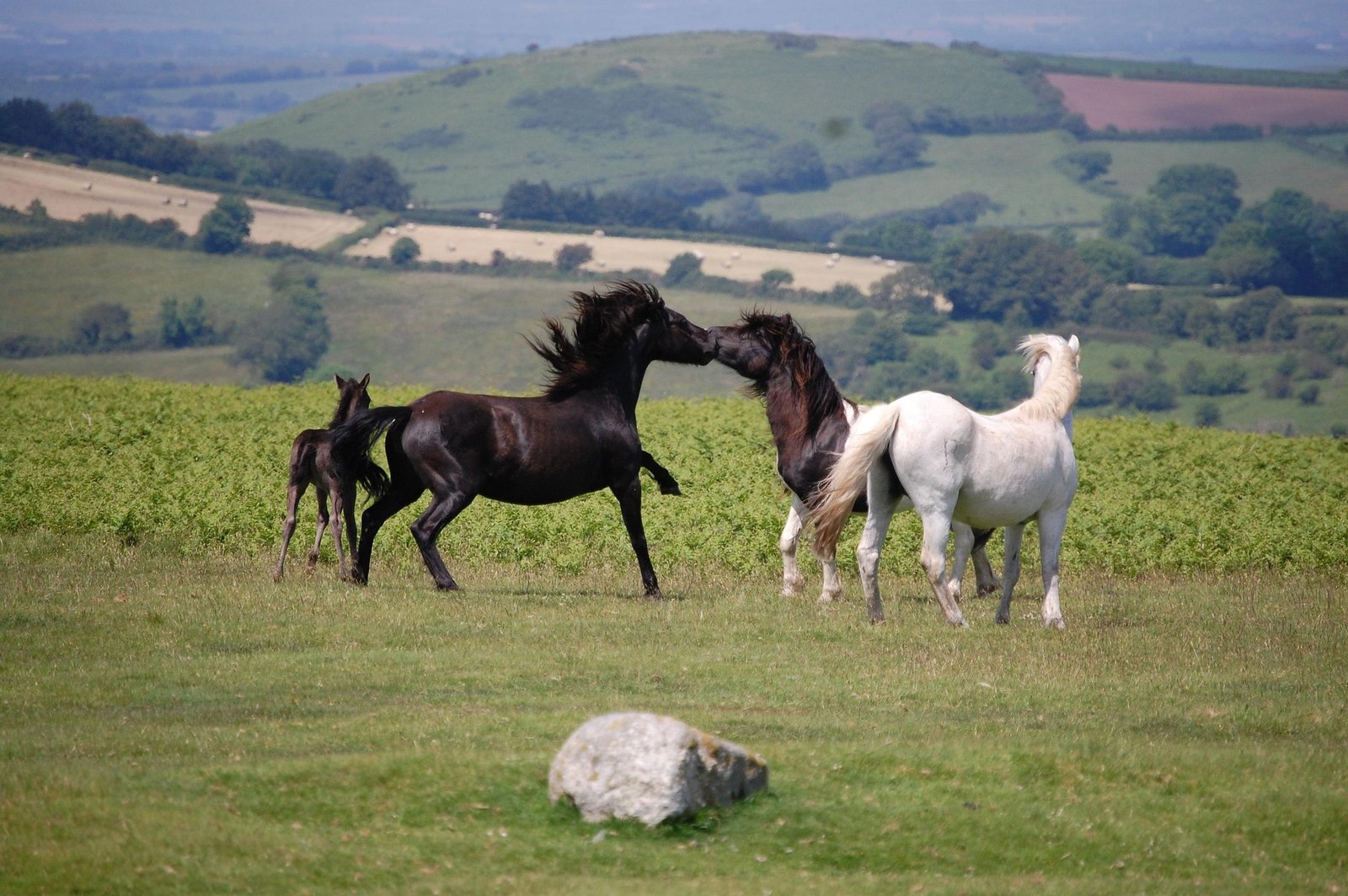
An animal that has weathered the Bronze Age, the Normans, the factories of the Industrial Revolution and two world wars now finds its survival threatened not by nature but by the stroke of an official's pen. For three and a half thousand years the Dartmoor pony has roamed the wild, rugged country of south-west England. Many of those who know the moor best now believe the greatest danger it has ever faced is government policy.
At the heart of the row are grazing restrictions being proposed through agreements that involve Natural England and Defra. Commoners on Dartmoor have cautioned that cutting livestock numbers sharply could be catastrophic for the Dartmoor Hill Pony, already an endangered animal and one of the oldest of Britain's native breeds.
This is no misty-eyed plea to keep a pretty picture on the moor. It is a real and pressing matter of conservation.
The Dartmoor Hill Pony is staring at extinction, and it needs help now. The numbers tell the story plainly. In 2023 the breed was added to the Rare Breeds Survival Trust Watchlist as endangered, and the population has collapsed from roughly 7,000 animals in 1999 to around 1,000 today. For a creature that has been part of this landscape for millennia, figures like those ought to set off alarm bells in Whitehall.
If ministers genuinely mean what they say about safeguarding biodiversity and protecting Britain's natural inheritance, it is hard to see why one of our oldest native breeds should be left under this kind of strain.
The fear among campaigners is that the present proposals would speed the breed's decline by counting ponies as though they were ordinary commercial livestock when stocking levels are worked out. Applied without sensible adjustment, they warn, the consequence could be a steep fall in pony numbers right across the moor.
The Government's own review backs the commoners
What ought to give ministers pause is that Defra's own independent review lends weight to much of what the campaigners are saying. The 2023 Fursdon Review, which Defra commissioned to look at how Dartmoor should be managed in future, expressly acknowledged the distinctive part the ponies play. It advised that ponies and cattle should not be tied together when stocking rates are calculated, and it cautioned against measures likely to drive pony numbers down.
That advice came not from campaigners or politicians but from a review the Government itself ordered. When a department asks the experts for guidance and then sets aside the findings it would rather not hear, fair questions have to be put.
Those who object to traditional grazing often cast livestock as part of the environmental problem. Yet plenty of ecologists accept that grazing animals have helped shape and sustain some of the most cherished landscapes in Britain. Dartmoor is not untouched wilderness. It is a living, working landscape, formed over centuries by commoners, farmers, livestock and wildlife sharing the same ground. The sweeping views, the varied habitats and the character that draws visitors today are no accident; they are the fruit of generations of careful stewardship.
The National Farmers' Union has argued time and again that upland farmers matter not only for the food they produce but for the biodiversity they support, the habitats they maintain and the rural communities they keep alive. The union has warned against crude policies that ignore what it actually takes to manage fragile upland country. Among those who live and work on Dartmoor there is mounting frustration that the moor's future is increasingly being decided by far-off regulators and campaign groups rather than by local knowledge.
None of this means environmental worries should be brushed aside. Quite the opposite. Protecting peatlands, cleaning up water and preserving biodiversity are all worthwhile aims. But conservation only works when it is carried out alongside the people who understand the land best. The commoners of Dartmoor are not enemies of conservation; they are among its longest-serving custodians. Many families have held grazing rights on the moor for generations, handing down knowledge that no report or policy paper could ever teach.
Lawfare on the moor
Recent court action has only sharpened the unease. In 2025 the campaign group Wild Justice took a High Court challenge against the Dartmoor Commoners' Council. Although one strand of the case, concerning environmental assessment, succeeded, the court threw out seven of the eight grounds the claimants put forward. To many local people the result confirmed what they already suspected: that the commoners are too readily cast as the villains in arguments over the moor's future.
Credit is due where it belongs. Environmental campaigners have helped shine a light on real conservation problems across Britain and have raised issues that might otherwise have gone unnoticed. But conservation defeats its own purpose when policies meant to protect nature end up imperilling one of Britain's rarest native breeds.
Charlotte Faulkner of Friends of the Dartmoor Hill Pony has pointed to the bitter irony that, in the name of protecting the environment, Britain could lose one of the last genuinely free-roaming native pony populations left in the country. It is a warning worth heeding.
The Dartmoor pony is not just another grazing animal. It is a living emblem of England's rural heritage, threaded through the history, the folklore and the very identity of the moor. Lose it, and it cannot simply be brought back.
A bigger question for the whole country
In truth the argument reaches well beyond Dartmoor. It poses a wider question about how Britain goes about conservation. Do we trust the people who have looked after these landscapes for generations, or do we put all our faith in top-down instructions that so often miss the realities on the ground? The answer ought to be plain.
The Government should follow the recommendations of its own Fursdon Review, recognise the singular status of the Dartmoor Hill Pony, and make sure grazing policy does not accidentally shove an endangered breed nearer to extinction. Because if Britain cannot protect an animal that has clung on across these islands for three and a half thousand years, through invasions, wars, industrialisation and social upheaval, future generations may fairly wonder how a modern state, for all its expertise and resources, contrived to fail where history did not.
The Dartmoor pony deserves better. So does Dartmoor itself.
What you can do to help
Dartmoor's Hill Ponies face extinction and they need your help now. If you share our concern for the breed's future, please consider adding your name to the letter organised by Conservative campaigner James Wright, which urges the Government to pause these proposals and commission an independent review before the damage becomes irreversible. Wright contends that the proposed grazing contracts could strip up to 90 per cent of Dartmoor's hill ponies from the moor, with similar fears already being raised for Exmoor down the line. You can add your name here: james-wright.org.uk/news/save-our-moorland-ponies-sign-letter.
The Great British PAC is keeping a close eye on developments on Dartmoor. If campaign groups or other interested parties think these proposals may be open to a legal challenge, we would be glad to hear from them. Britain cannot afford to look on while one of its oldest native breeds is pushed nearer to extinction. Anyone wishing to discuss the matter and explore what options might exist can contact the Great British PAC at Claire.Bullivant@GreatBritishPAC.com.