
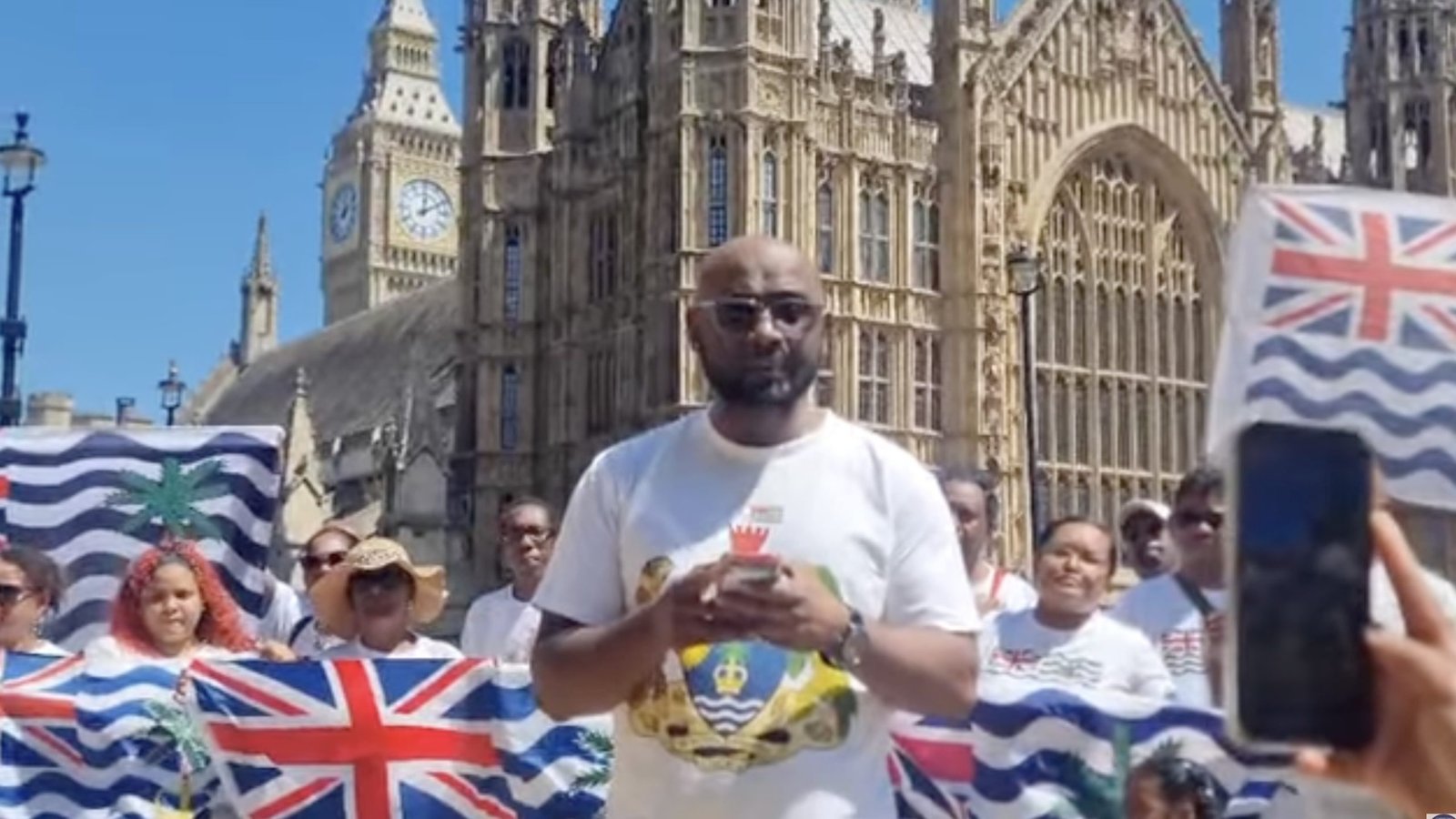
Labour's plan to surrender the Chagos Islands to Mauritius ran straight into the law this week, with the High Court hearing that Sir Keir Starmer's Government reached “unlawful decisions” and never properly consulted the Chagossian Britons whose homeland and rights are at stake.
Three British Chagossians — Misley Mandarin, Michel Mandarin and Bertrice Pompe — are asking for permission to mount a full judicial review of how ministers have handled the so-called Chagos Surrender, pointing to what they describe as grave failings on procedure and equality.
The case came before Mrs Justice Stacey in the Administrative Court. At its heart is the claim that the Foreign Office broke the law by keeping Chagossians out of decisions touching their right of abode, their resettlement and their territorial interests in the Chagos Islands, part of the British Indian Ocean Territory.
Philip Rule KC, appearing for the claimants, told the court the Government had displayed a “reckless disregard for the Chagossian interests” and urged that the claim be allowed to go ahead. His written submissions accused the Foreign Office of “unlawful decisions or omissions” in failing to “adequately and lawfully consult” Chagossians, and in declining to “acknowledge, accept and treat the existence of the Chagossian people… as an ethnic race of peoples” with a right to self-determination.
For the claimants, consulting them was not merely the decent thing to do but a legal obligation — all the more so now that national security is no longer being used as the reason to block resettlement on the outer islands. They want the court to quash “decisions and actions taken unlawfully by the defendant in relation to matters affecting the Chagossian people and their interests.”
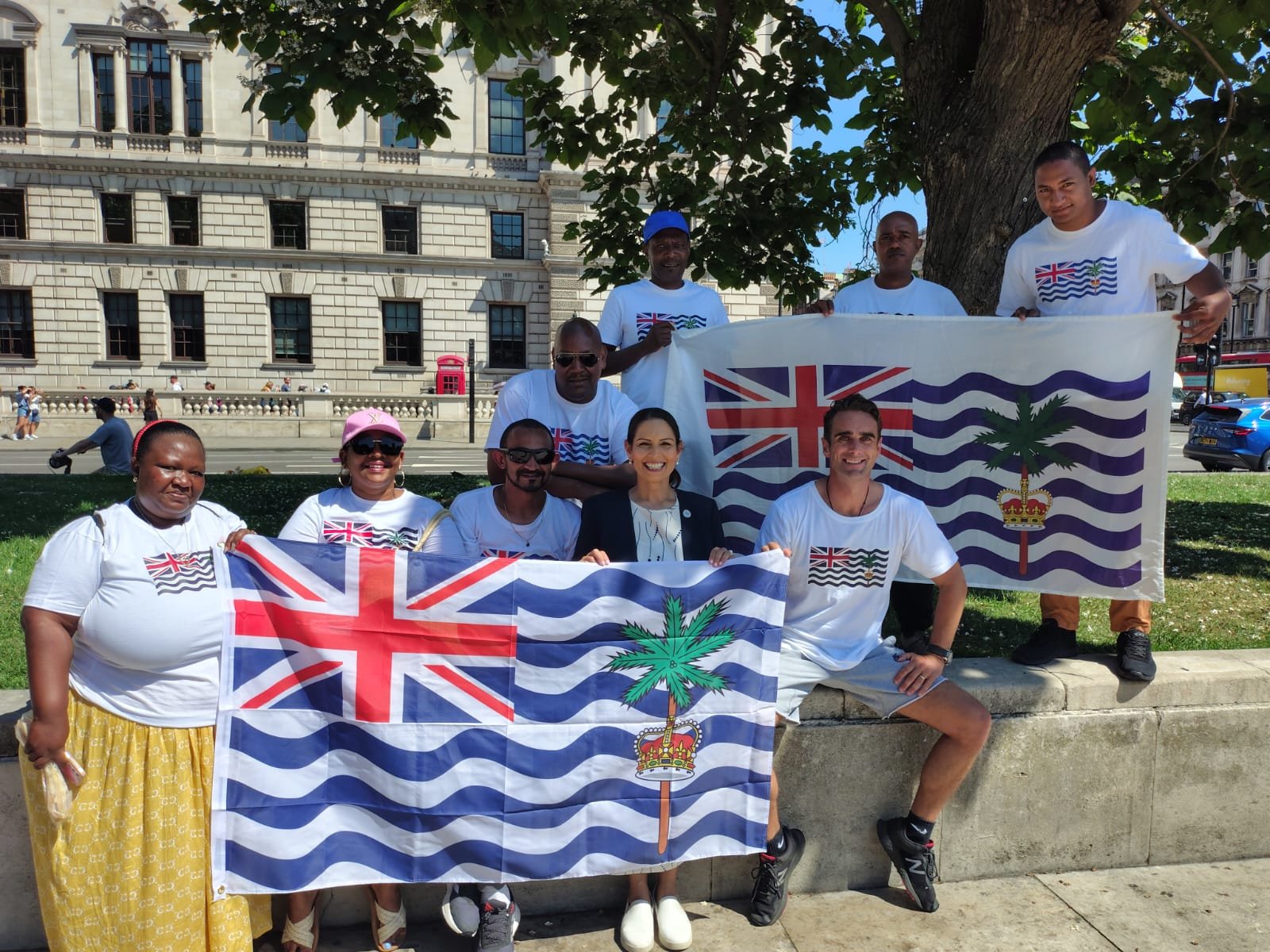
We at the Great British PAC have stood behind this fight from the start, championing the Chagossians' day in court and raising tens of thousands of pounds to help fund it. Our CEO, Claire Bullivant, has called the hearing “a crucial step toward righting a historic wrong” and thanked supporters for “helping get this case before the High Court.”
A deal signed under a legal cloud
Criticism of the Government has mounted ever since it unveiled a deal earlier this year to hand sovereignty of the Chagos Islands to Mauritius while leasing back the strategically vital US-UK military base on Diego Garcia for 99 years. Ministers put pen to paper just hours after a last-minute High Court challenge by Ms Pompe briefly held up the process, and Parliament has still not ratified the agreement.
The Diego Garcia Military Base and British Indian Ocean Territory Bill cleared its Commons stages earlier this month, and the House of Lords is set to debate it on Tuesday 4th November.
To its critics, including a number of senior Conservatives, the plan is a betrayal of Britain's own people. Jacob Rees-Mogg has argued that “it would be normal for Parliament to now suspend any progress relating to Chagos' sovereignty until the Court has ruled.”
The unease now reaches into Labour's own ranks. Senior backbencher Graham Stringer MP has broken with his party to say: “Parliament should suspend any ratification now until the Chagossians are heard at the full hearing.”
The Foreign Office hits back
Acting for the Foreign Office, Kieron Beal KC dismissed the challenge as a “collateral attack on an international agreement,” insisting that the Chagos Islands “is not, and has never been, part of the UK.”
He told the court that although the Government “expressed its sincere regret about the manner in which Chagossians were removed” in the 1970s, no Chagossian had ever held a legal right of abode in the territory. Whether to permit resettlement, he added, was “necessarily now a matter for Mauritius.”
Forcing the Government to do as the claimants ask, Mr Beal said, “would amount to a collateral attack on an international agreement” and would compel ministers to “exercise prerogative powers of treaty-making and international relations in a particular way, contrary to all authority and principle.”
Voices from outside the courtroom
Speaking after the hearing, barrister James Tumbridge of Keystone Law, who represents Misley Mandarin and his father, said: “Morally British governments and British judges have said the treatment of Chagossians has been shameful, we hope there will be a decision to let them be heard as to why they deserve to be consulted.” Stuart Luke, director of the law firm Luke and Bridger, which represented Ms Pompe, said his client “will continue to fight for her and her community's rights.”
The claimants are clear that they are not attacking the treaty itself. Their target is the domestic decisions taken without any consultation — decisions, they argue, that carry profound consequences for British citizens of Chagossian heritage.
The hearing wrapped up on Tuesday afternoon. Mrs Justice Stacey reserved judgment and is expected to rule on whether the claim can proceed to a full judicial review by the end of next week.