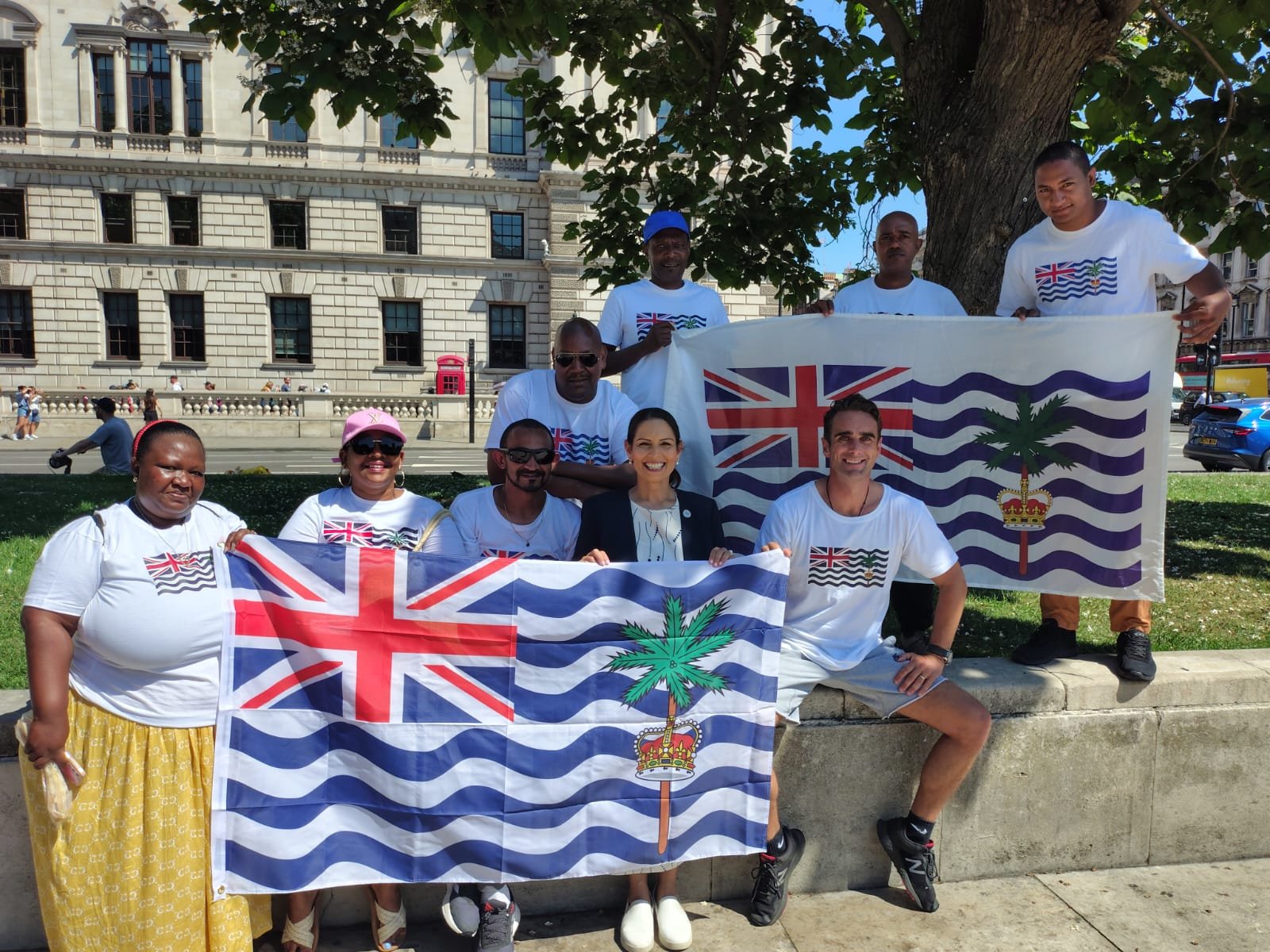
What began as a grassroots campaign now becomes a matter for the bench. This Tuesday, 28 October 2025, two judicial review claims lodged by Chagossian British citizens reach London's High Court — and getting them that far is something our movement is proud to have done.
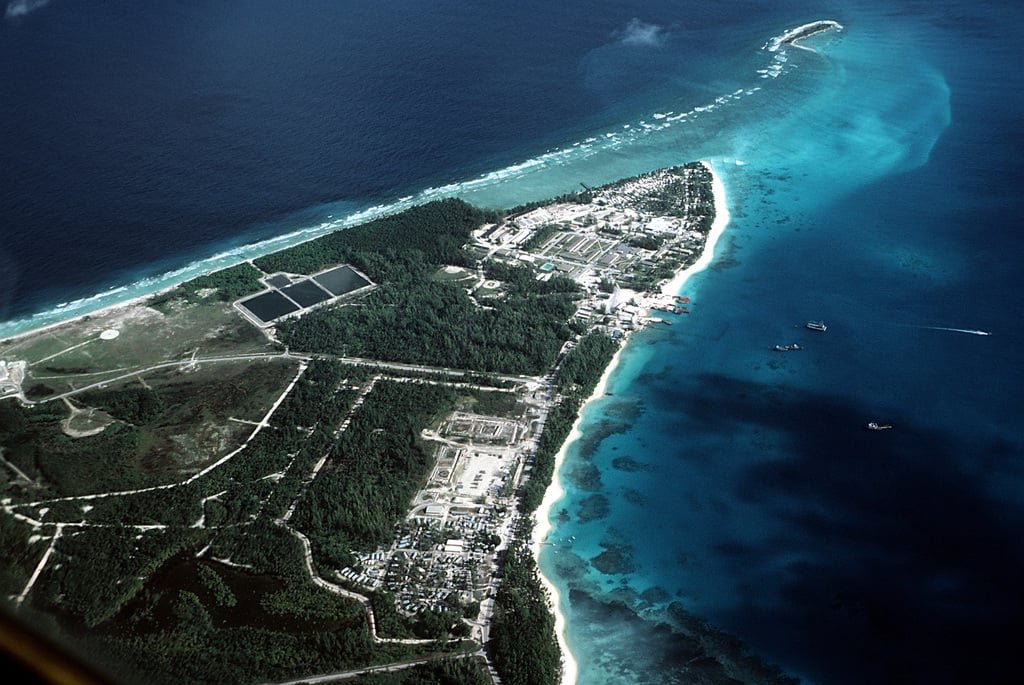
The grievance running through both claims is straightforward. When Ministers settled the future of the Chagossians' ancestral home, the Chagos Islands (BIOT), they never bothered to ask the people whose home it actually is. That absence of consultation is what the claimants are challenging.
Listed jointly for an oral permission hearing of roughly two hours before the Administrative Court, King's Bench Division, the pair of actions carry the references R (Mandarin) v Secretary of State for Foreign, Commonwealth and Development Affairs (AC-2025-LON-002073) and R (Pompe) v Secretary of State for Foreign, Commonwealth and Development Affairs (AC-2025-LON-001642).
None of it would have been possible without the support the Great British PAC rallied. Our members and donors put tens of thousands of pounds behind the Mandarin legal effort, and our Chairman — Advance UK leader Ben Habib — reached into his own pocket for a further £10,000.
“For decades the Chagossians have been treated shamefully — displaced from their homeland and denied the fairness they deserve. This hearing is a crucial step toward righting that historic wrong. Thanks to hundreds of supporters and the extraordinary generosity of our donors, including our Chairman Ben Habib, we’ve helped get this case before the High Court. We are determined to see the Government finally follow the law, act with integrity, and treat the Chagossian people with the justice and respect long denied to them.”
— Claire Bullivant, Great British CEO
On the legal team for the claimants are Philip Rule KC and James Tumbridge, who act for the Mandarins, with Michael Polak appearing for Ms Pompe.
What the case is about
Those bringing the claims are Chagossians, British citizens, and people who want to stay British. In their telling, the UK Government has come up short on five counts — a set of duties they say were never met:
- genuine consultation over resettlement, rights of abode, fishing and the interests tied to them;
- a fair and rational weighing of their rights, all the more so now that national security is no longer the reason given for shutting them out of the outer islands;
- proper discharge of the Public Sector Equality Duty (PSED);
- procedural fairness bound up with the right of self-determination; and
- compliance with the human-rights obligations owed to British citizens.
One point is worth stating plainly: the Treaty itself is not under attack here. The claimants are not asking the Court to undo the May 2025 UK–Mauritius treaty. Their sights are set instead on domestic British decisions — the things that remain firmly within the UK's own jurisdiction and control — and the real-world effect those decisions have on Chagossians.
The legal grounds, as the claimants put them
Ground 1 — the duty to consult. Before it ever acted, the Government owed Chagossians a proper consultation on resettlement, rights of abode, fishing rights and the decisions around them, the claimants argue. They add that an earlier decision on the papers got this ground wrong, reading it as a quarrel with the signing of the treaty — which, they insist, it never was.
Ground 2 — irrationality and failure to consider. On the claimants' case, Chagossian interests were never rationally weighed at all — a glaring omission once the Government itself accepted that national security no longer warrants keeping a civilian population off the outer islands. The Bancoult line of authorities, they say, confirms that questions like these are open to judicial review and can be looked at afresh as circumstances move on.
Ground 3 — the equality duty (PSED). An Equality Impact Assessment (EIA) was mentioned by the Foreign Office, yet — according to the claimants — it was never handed over as part of the decision-making record. Sitting on documents of that importance, they contend, offends the duty of candour and blocks any real scrutiny of whether the PSED was met. They lean on authorities such as Tweed, R (Chief Constable of the Police Service of Northern Ireland) v Police Superintendents' Association, and National Bank of Anguilla — each stressing that the withholding of crucial material can, on its own, be reason enough to grant permission.
Ground 4 — Article 14 of the ECHR (discrimination). Whether or not BIOT sits beyond the reach of the Human Rights Act scheme, what is at stake are UK decisions about British citizens — so the Article 14 discrimination arguments are not switched off.
Ground 5 — procedural fairness and self-determination. On matters that go to the very core of their lives, Chagossians were owed a fair process — a consultation, a survey, perhaps a referendum — to find out what they actually wanted.
Ground 6 — Article 8 (private and family life). Tending ancestral graves, keeping up family ties, sustaining a culture — all of it is touched by these decisions. Article 8 may grant no “land right”, but it does insist on fair procedures before any decision that weighs heavily on private and family life.
What Tuesday actually decides
Tuesday is a permission hearing, argued orally. No one is inviting the judge to settle the full judicial review just yet — the single question is whether the claim is arguable enough to deserve a full hearing.
Here the claimants point to Ramdass v Minister of Finance [2025] UKPC 4, authority for the proposition that permission sits at a low threshold and ought to be turned down only where the Government can land a “clear knockout blow.”
Their case for permission rests on three planks: that the threshold is low while their grounds are carefully reasoned and well supported by authority; that the Government's refusal to disclose key material — the EIA chief among it — tilts the scales their way; and that the issues raised matter to the wider public and to human rights.
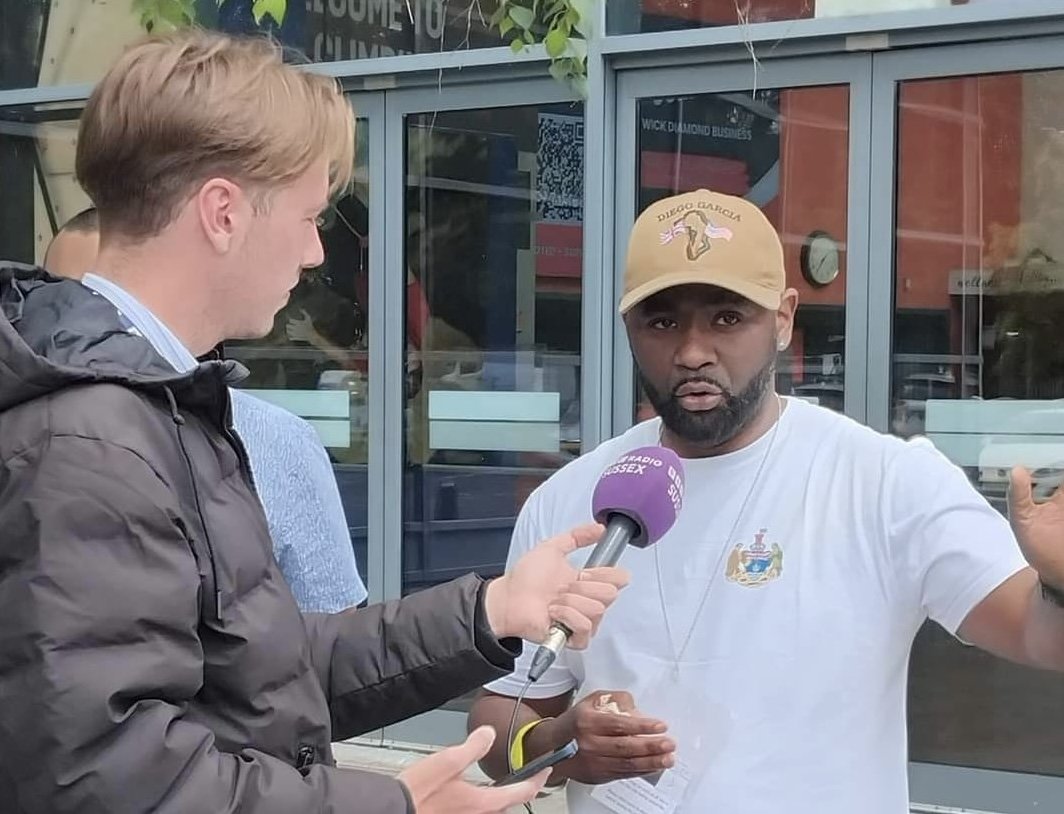
“As British Chagossians, we are not Mauritian — we are proud to be British, we want to be consulted about our homeland on the Chagos Islands. Why does our minority community not count? Are we not as worthy as Mauritians? Why were we not asked if we wanted to remain British?
Our case is about fairness and recognition. For decades, our people have been treated as if our voices and rights don’t matter. The Government has made decisions about our future without properly consulting us, and even failed to disclose key documents such as the Equality Impact Assessment — a report that should have shown how its policies affect our community – this was only disclosed after pressure from our legal team shortly ahead of the hearing. That kind of secrecy is deeply unfair, and I hope the courts take a very dim view of it.
The legal test at this stage is low — the judge simply has to see that the case is arguable. Justice demands we be heard, I hope the judge agrees.
We are standing up for our c ommunity, our identity, and we want to be heard. But only a judge gets to decide if we are worthy of being heard.”
— Misley Mandarin, British Chagossian claimant
“Legally this is about ensuring the Government follows lawful process and equality duties, morally it is about treating the affected people with respect. With national security no longer relied upon to bar resettlement in principle, it is time for proper consultation, transparency and fair consideration of Chagossian rights.”
— Spokesperson for the claimants' legal team
About Great British PAC
The Great British PAC (Political Action Committee) is a UK-based, cross-party body that stands behind people pursuing public-interest legal actions and campaigns for civic accountability.
Case references
- R (Mandarin) v Secretary of State for Foreign, Commonwealth and Development Affairs — AC-2025-LON-002073
- R (Pompe) v Secretary of State for Foreign, Commonwealth and Development Affairs — AC-2025-LON-001642
- Court: High Court of Justice, King's Bench Division, Administrative Court
- Hearing: Oral permission (combined), 10.30am Tuesday, 28 October 2025; estimated 2 hours