
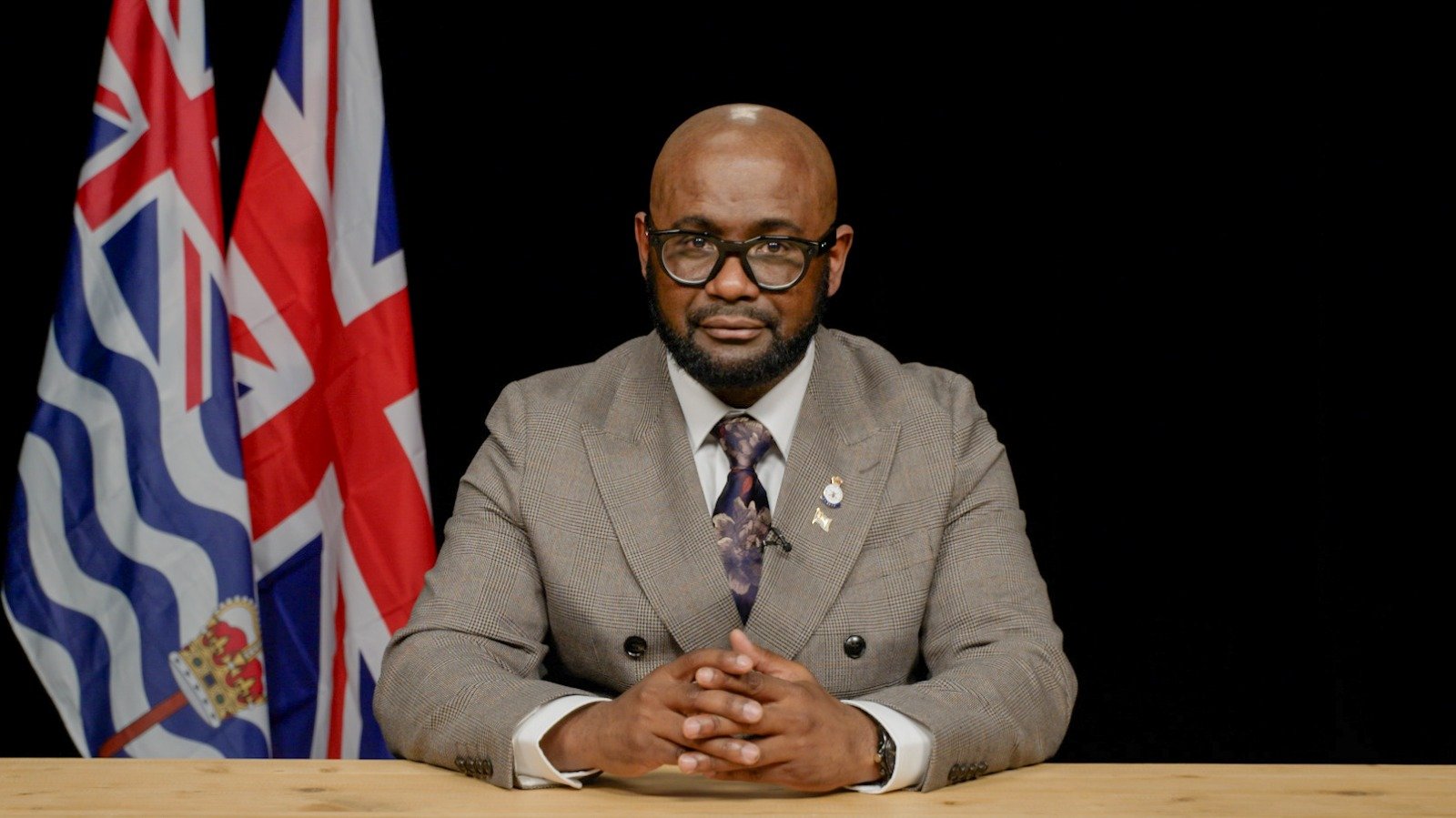
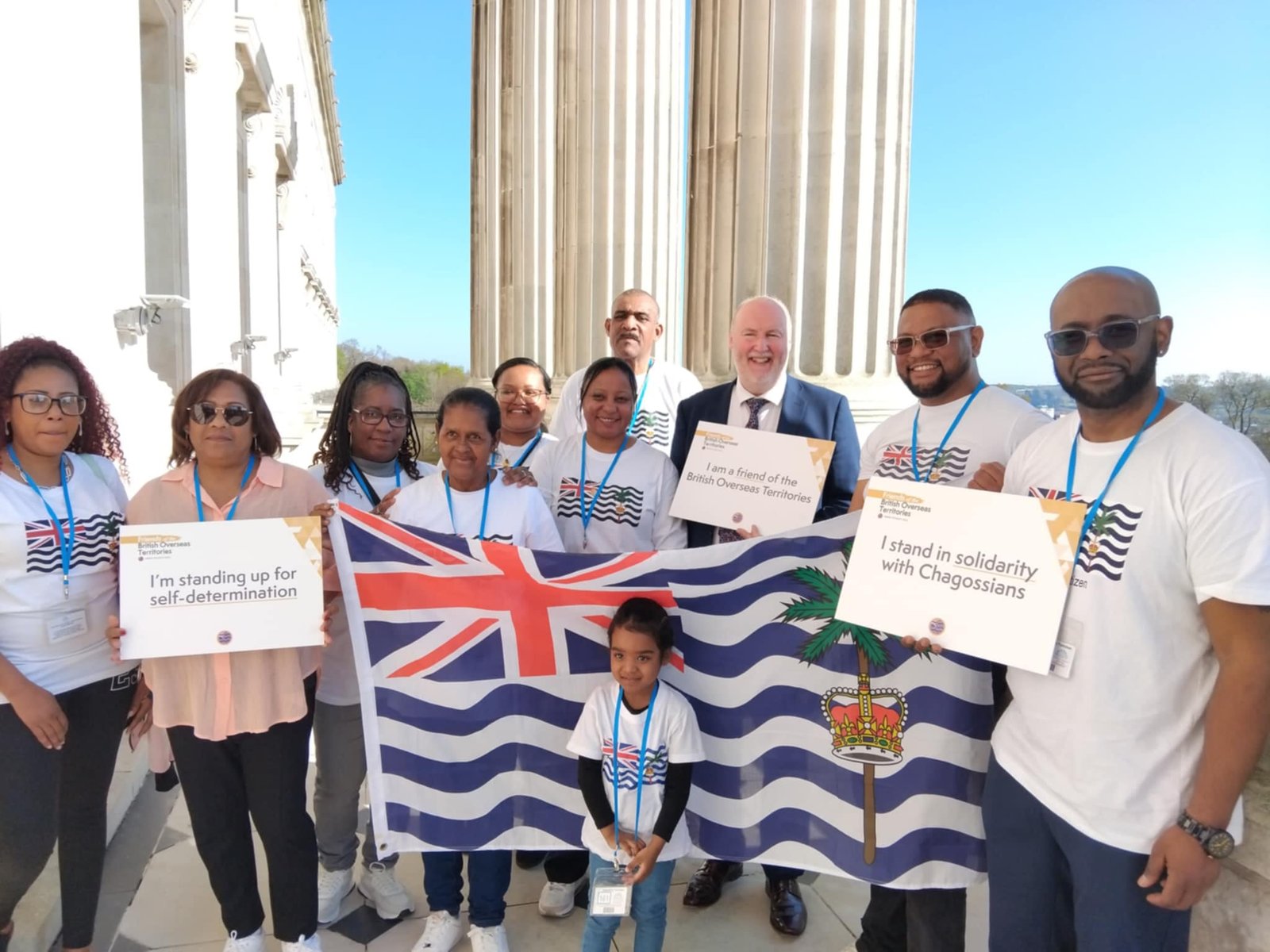
Unfinished business has a habit of catching up with the present. Sometimes it does so without a sound, buried in old files and legal arguments. Sometimes it lands with a shock, brought back by people who simply will not be forgotten. This weekend belonged firmly to the second kind of moment, and the people behind it were the Chagossians.
For more than fifty years they were forced out of their homeland, robbed of their islands, and scattered across the globe. Now, in a move without precedent, they have answered that long injustice by establishing a Government in Exile.
This is not pageantry or sentiment. It is a response driven by urgency — a final stand by a community watching the same history play out again, convinced that if Britain does not halt its course now, it will inflict a second wrong that may never be undone.
What has prompted the move is the Labour Government’s intention to hand British sovereignty over the Chagos Islands — Diego Garcia among them, where one of the planet’s most strategically important military bases sits — over to Mauritius.
The handover is pencilled in for 1 February 2026, provided the House of Lords falls into line with the Government when the Diego Garcia Bill comes to a vote in January.
To the Chagossians, none of this reads as a tidy diplomatic adjustment. They see it as the last act in the silencing of their voice — and they have no intention of letting it happen quietly.
A people who refuse to vanish
Worldwide, the Chagossian population numbers somewhere between 8,000 and 10,000. The United Kingdom and Mauritius are home to most of them, with smaller pockets living elsewhere. They descend from families who spent generations on the Chagos Archipelago — working, worshipping, marrying and being buried there — long before the calculations of global power ever reached their distant islands.
Between the late 1960s and the early 1970s, with Harold Wilson’s Labour government in office, the islands were emptied of every civilian to clear the ground for a joint UK–US base on Diego Garcia. Dogs were gassed. Homes were left behind. With scant warning and even less compensation, families were herded onto ships. Many reached Mauritius penniless, scarred and unwelcome.
One British government after another has conceded that this was wrong. The courts have examined it. Ministers have voiced their regret. Yet the underlying wrong was never put right, and not one Chagossian has ever been permitted to go home.
Just as global opinion was beginning to turn and recognition looked nearer than at any point before, Britain now proposes to give their islands away to a different country altogether, without ever asking them. That is exactly why this weekend carries such weight.
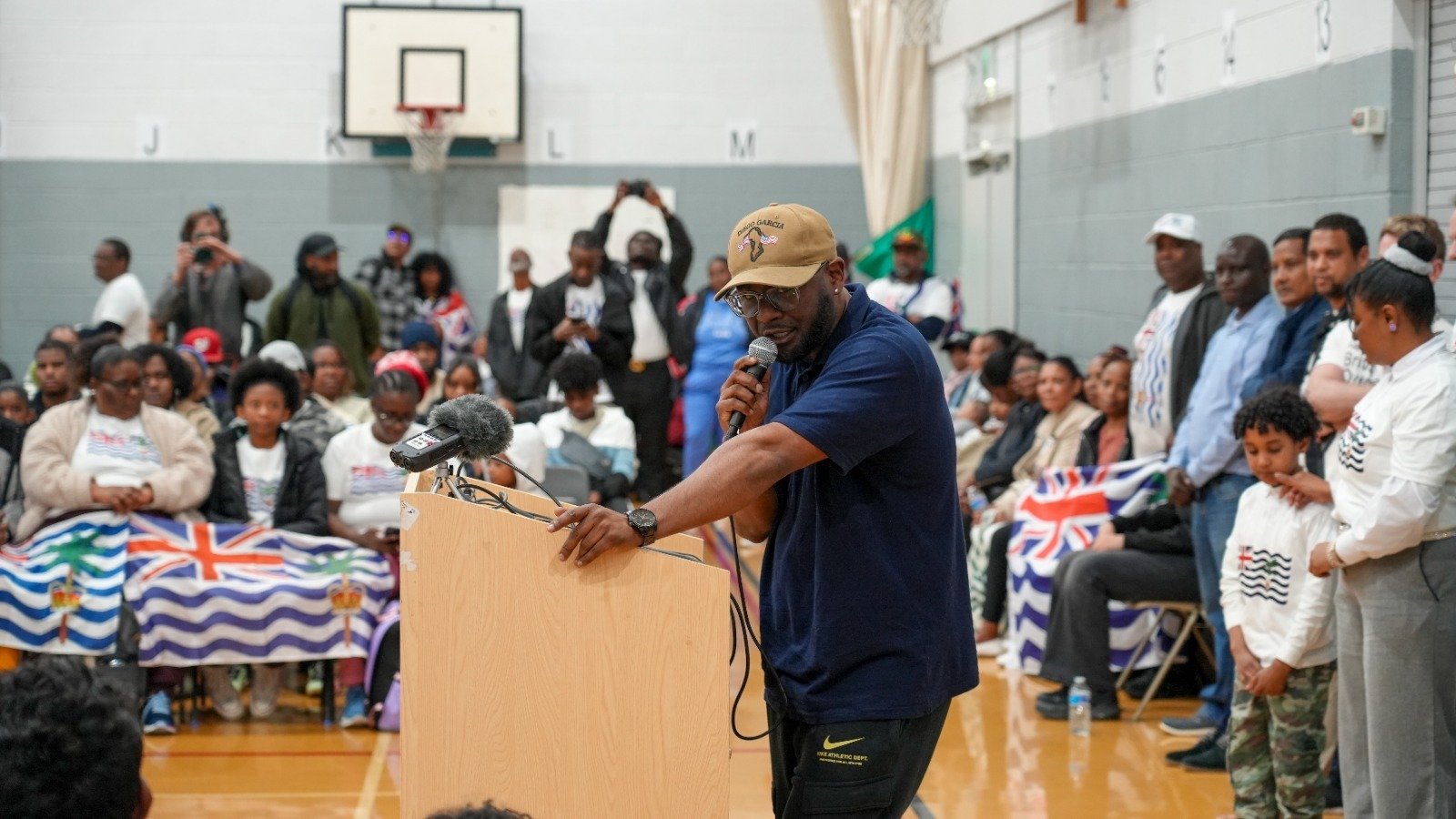
A surprise vote and an undeniable mandate
Over the weekend, the Great British PAC ran an urgent online ballot putting a blunt question to Chagossians everywhere. As Parliament moves towards ratifying the Chagos surrender, should they set up a Chagossian Government in Exile to speak for their interests, and should they choose an interim First Minister to represent them?
The ballot was launched at short notice and held across a single weekend. There was no glossy advertising, no government support and no institutional apparatus behind it. Even so, roughly 1,300 Chagossians took part.
Given how small and widely scattered the community is, campaigners call that level of participation striking. What mattered even more was how decisive the outcome proved to be.
By a wide margin, Chagossians endorsed setting up a Government in Exile, and they chose Misley Mandarin as their interim First Minister. To safeguard the credibility and openness of the exercise, it was independently supervised by the respected polling firm Whitestone Insight.
Question 1: Formation of a Government-in-Exile
Do you support the creation of a Chagossian Representative Government-in-Exile to represent the Chagossian people until a permanent settlement is achieved?
- In favour: 1,233 (91.9%)
- Against: 108 (8.1%)
Question 2: Appointment of an Interim First Minister
Do you support Misley Mandarin serving as Interim First Minister for a period of one year, while a Charter is drafted and formal elections are prepared?
- In favour: 1,326 (98.9%)
- Against: 15 (1.1%)
None of this amounted to a protest petition or an empty symbol. It was a democratic exercise carried out by a people who have repeatedly been told their views do not matter.
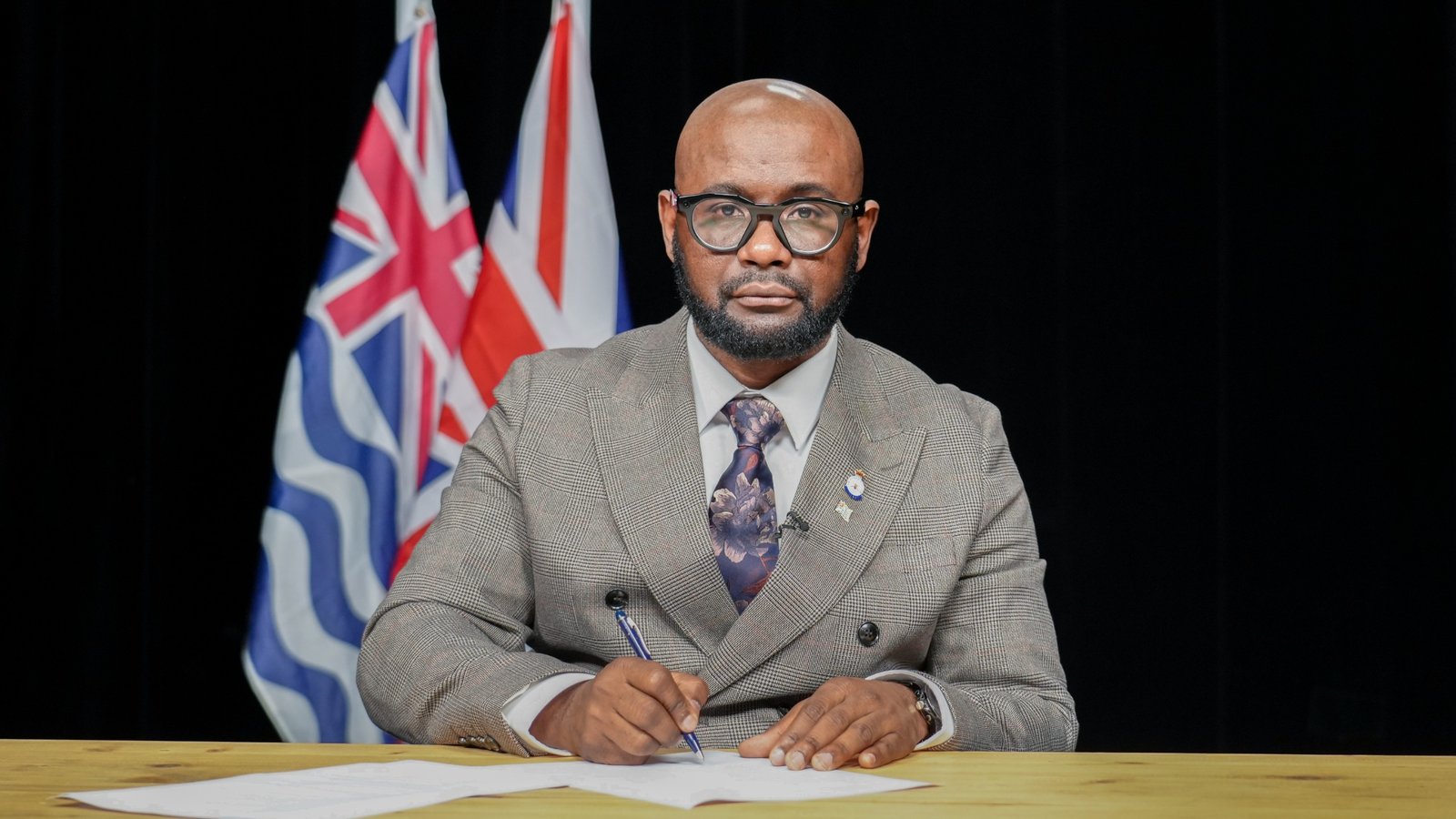
“This is our voice”
Once the result was in, the newly elected First Minister Misley Mandarin left no doubt about its meaning.
“For decades, decisions about our homeland have been taken in rooms we were not allowed to enter,” he said. “This vote changes that. This is not rebellion. It is representation.”
According to him, the Chagossians are asking for three straightforward things. They want to go back to their islands. They want to stay British citizens under British sovereignty. And they want Diego Garcia, and the wider Western security framework that rests on it, kept safe.
“We support the base,” he said. “We always have. We understand its importance. We believe our return would strengthen security, not weaken it.”
The Government in Exile is now drawing up a charter and assembling a representative council to cement its standing. For the first time since the expulsions, the Chagossians are constructing a body that speaks on their behalf instead of being spoken over by others.
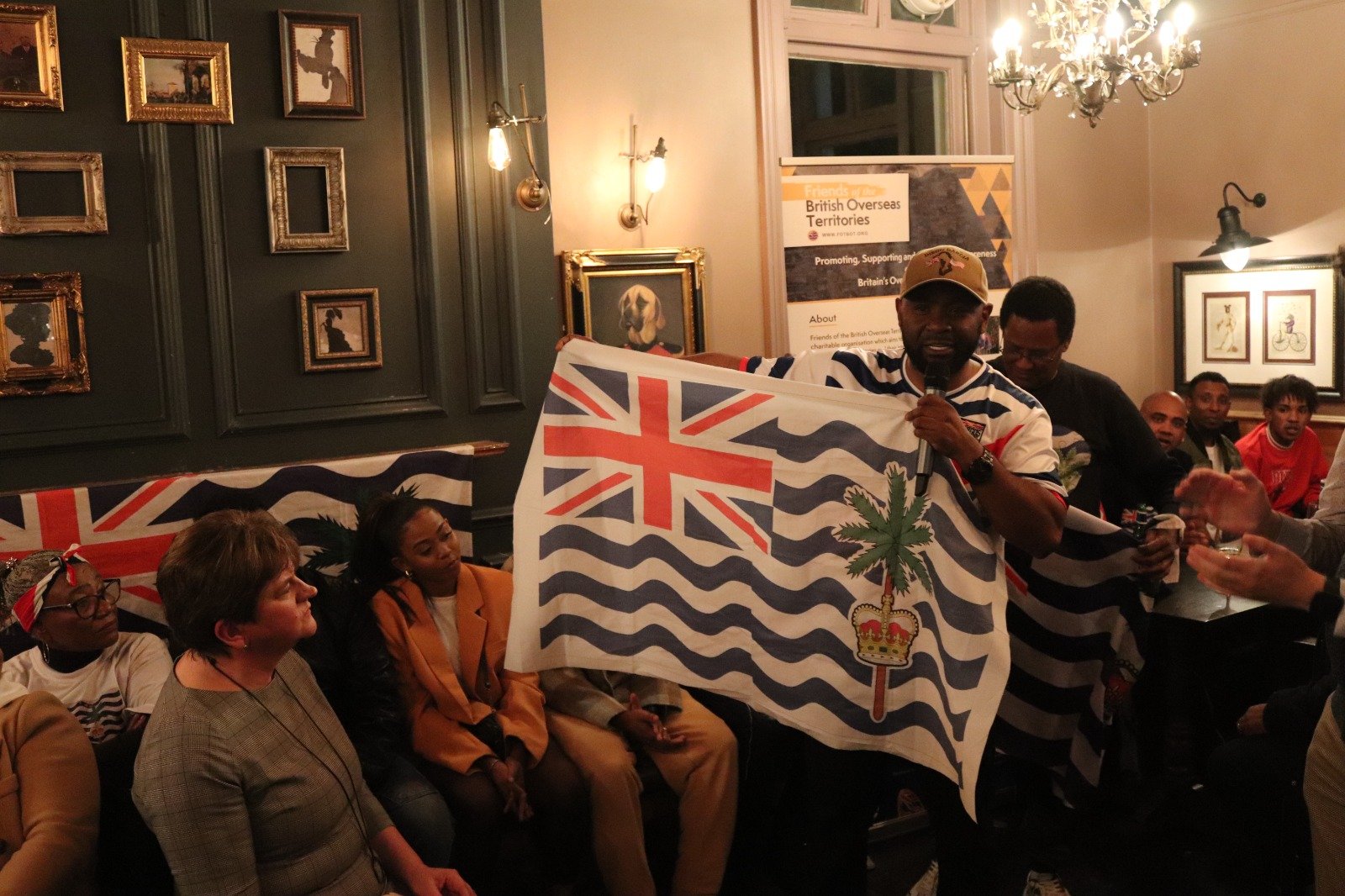
A leadership rooted in the islands themselves
Not long ago we listened to Labour Peers insist that the Chagossians had never amounted to a coherent people, that they were politically disorganised, and that no genuine society existed to be consulted. That line of argument has long served as an excuse for shutting them out of decisions about their own future.
The history of Misley Mandarin’s own family lays bare how hollow that claim is.
During the colonial period his great great grandfather, Jean Charles Mandarin, lived on Peros Banhos atoll. A blacksmith by trade, he worked for the whole island community. With British administrators all but absent, the islanders themselves put him forward to serve as a local leader.
He settled quarrels, organised communal life and kept the peace. In everything but the title, he was a chief.
This is more than family memory. Jean Charles Mandarin is recorded in a footnote of the academic Brill volume Eviction from the Chagos Islands: Displacement and Struggle for Identity Against Two World Powers, where he is pointedly called “a thorn in the flesh” of the authorities. A well-known Chagossian song about him is still sung today.
That leadership carried on down the generations. Jean Charles Mandarin’s grandson, Fernand Mandarin, who was born on Peros Banhos, emerged after exile as one of the leading champions of Chagossian rights. He headed the Chagossian Social Committee, spoke at the United Nations, and captured some of the fullest oral accounts of island life before the removals.
The Mandarin family remains at the heart of today’s legal and political fight against the Chagos deal, including the ongoing Judicial Review backed by the Great British PAC.
None of this is mere symbolism. It is continuity — a people who once governed themselves, were brushed aside by empire, and are being pushed to the margins all over again.
The deal that risks repeating history
Back in May, Britain put its name to an agreement with Mauritius transferring sovereignty over the Chagos Archipelago, while the UK and the United States would lease Diego Garcia to keep using it militarily.
Ministers maintain that the deal settles a long-running international dispute and locks in the base for decades ahead.
The Chagossians — alongside a growing body of parliamentarians, peers, defence experts and international institutions — read the situation very differently, and far less reassuringly.
Yet again, a decision about the Chagos Islands has been reached without genuinely involving the people those islands belong to. Yet again, their right of return has been left woolly, conditional and impossible to enforce. And yet again, Britain looks ready to barter away its moral duty for the sake of diplomatic ease.
Why Diego Garcia matters to Britain and the world
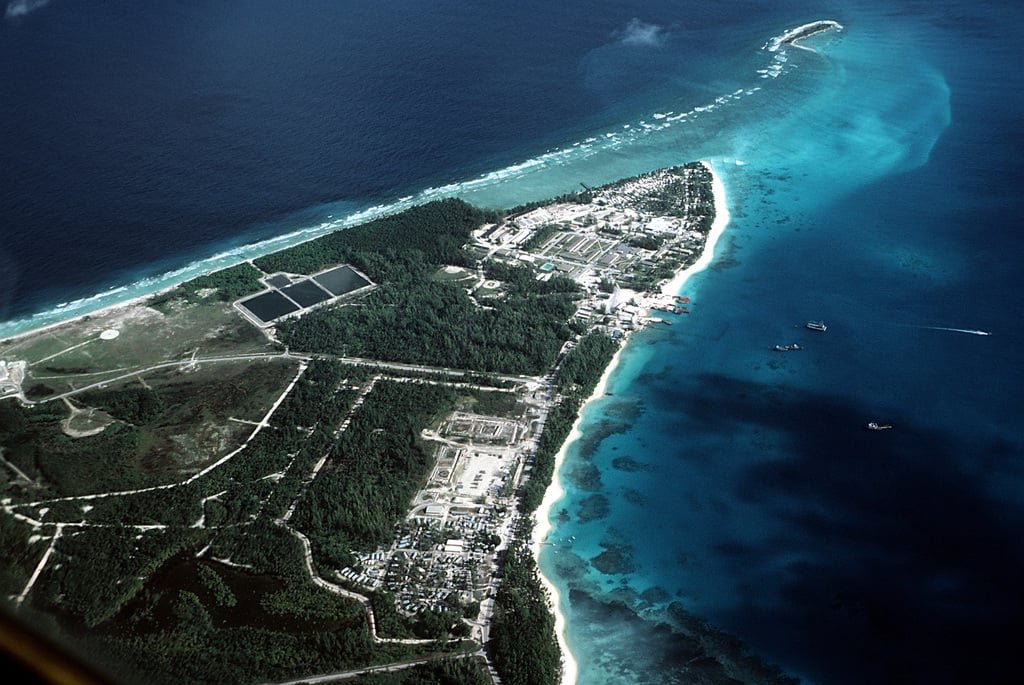
Diego Garcia is no ordinary overseas outpost. It is the linchpin of Western power across the Indian Ocean.
From it, Britain and the United States sustain air operations, naval logistics, intelligence work and submarine deployments. Nowhere else in the region offers an equivalent combination of reach, security and freedom to operate.
Defence analysts do not mince words. Surrender Diego Garcia — or merely muddy its legal and strategic standing — and the West forfeits its only dependable military foothold over half the globe.
That is what makes the Chagossian stance so notable. Far from opposing the base, they back it. Their case is that resettling islands beyond the restricted military zone would bolster stability, legitimacy and local cooperation. They cast themselves not as a danger to security but as its human bedrock.
The Pelindaba problem no one can wish away
Among the gravest loose ends flagged during the Lords’ scrutiny of the legislation is the Pelindaba Treaty, which makes Africa a nuclear weapon free zone. Mauritius has signed it.
Should sovereignty over the Chagos Islands pass to Mauritius, critics warn that thorny legal questions emerge over whether nuclear armed submarines and the activities tied to them could keep operating from Diego Garcia without falling foul of treaty commitments.
Ministers maintain there is nothing to worry about. Yet the agreement carries no explicit carve-out, and peers and defence commentators caution that this exposes the base to future legal challenges, diplomatic leverage or a change of direction in Mauritian policy. Curb the nuclear-capable operations and Diego Garcia is stripped of its strategic worth.
As one defence source put it, “There is nothing else on that side of the planet that can replace it.”
There is a second fragility built into the deal: it falls apart the moment Britain misses a single payment. With the Reform Party promising to stop the payments if it wins power, critics warn the whole arrangement could come undone in an instant.
“One missed payment,” said a defence source, “and the West’s only military foothold in that half of the world is gone. Nothing would delight Beijing more.”
International pressure grows
Earlier this month the UN Committee on the Elimination of Racial Discrimination took the unflinching decision to step directly into the Chagos process. Invoking its rarely deployed Early Warning and Urgent Action Procedure, the Committee went beyond criticising the UK–Mauritius agreement and explicitly called on both governments to halt ratification and to deal directly with the Chagossian people.
The Committee voiced alarm and deep concern about the unratified treaty, pointing to its clash with United Nations General Assembly resolutions, the total failure to consult the Chagossians, and the lack of any means to involve them in decisions touching their land, rights and self-determination. It pressed the UK and Mauritius to obtain the Chagossians’ free, prior and informed consent, to guarantee their right of return, to protect their cultural heritage, and to deliver effective remedies and full repatriation.
That remarkable step has thrown a brighter light on the unresolved legal challenge already sitting before the UK courts. The High Court has still not ruled on whether the Judicial Review may go ahead — a silence that looks ever more conspicuous against the backdrop of the UN’s warning. After the Committee’s decision, barrister James Tumbridge wrote formally to the presiding judge to update the Court, noting that the UN’s views had already been put forward for consideration during the hearing.
The Judicial Review does not take direct aim at the treaty itself, but the letter spells out that it cuts to the heart of the domestic decision-making behind what the UN now describes as discriminatory practice. The conclusion is blunt: Parliament is being asked to push through irreversible legislation while a live court case, shaped by serious international legal warnings, remains undecided.
This was no fringe campaign or piece of political theatre. It was a formal intervention by a United Nations body, deploying its most serious procedures, to warn that the process now unfolding around the Chagos Islands is fundamentally flawed. The creation of a Chagossian Government in Exile now lends that warning a human face and a democratic mandate.
A race against January
The Diego Garcia Military Base and British Indian Ocean Territory Bill comes back before the House of Lords for its decisive Report Stage on 5 January. The clock is running out.
Over the weeks ahead, the Government in Exile intends to brief foreign governments, diplomats, parliamentarians and international organisations. Its message is plain and unbending. Do not decide our future without us. Do not repeat the crime of exile with the language of legality. Do not surrender British sovereignty, moral responsibility, and strategic security in one careless act.
What the Chagossians are asking for is not extreme. It is fair: the right to return home, the right to remain British, the right to a democratic voice, and the resolve to keep Diego Garcia secure.
As Claire Bullivant, CEO of the Great British PAC, who organised the vote, put it, “This weekend, the Chagossian people spoke. Now the world must listen.”
Britain still has a decision to make. It can listen, pause, and do the right thing — or it can charge ahead into a surrender that history will record as a second betrayal of a people who have already lost everything once. The Chagos Surrender must be stopped.
First Minister Misley Mandarin’s declaration speech
My friends, my family, my people…
Today we step into history — not because we chased it, but because it has pursued us across oceans for more than fifty years.
For half a century, our voices have been scattered. Our stories whispered in foreign lands. Our children have grown up hearing of a home they have never seen…
Yet a people without a land is not a people without a future. And a people without a government is not a people without a destiny.
And so tonight, in the presence of our elders, our mothers, our youth, and our unborn generations, we declare the formation of the Chagossian Government-in-Exile.
Not in rebellion. Not in anger. But as a statement of existence… that we endure and that we refuse to be erased by distance or time as a proud, small, determined citizen nation, as some have planned we should on 1 February 2026.
The Declaration
Whereas, the Chagossian people lived in the Chagos Archipelago as loyal British subjects for generations;
Whereas, our people served the Crown through two world wars and remained steadfast partners in the cause of freedom;
Whereas, all peoples hold the right to shape their own destiny;
Whereas, decisions have been made about our islands without our consent and in discussions with a foreign state that does not recognise our identity as British Chagossians…
Therefore, we declare:
That the Chagossian people possess the same rights to self-determination as all other British Overseas Territories.
That we must be involved in the governance and future of our homeland.
That we remain loyal subjects of His Majesty King Charles III.
And that we seek a future under continued British sovereignty.
We create the vehicle of a Government in Exile to provide the countries of the world who believe in self-determination with something they can recognise as representing the Chagossian people going forward as a civic nation until such a time as we are formally provided with the self-determination referendum we have been repeatedly denied since 1965.
The Strategic Truth
And tonight, we speak not only from memory… we speak from responsibility.
For our homeland is not only a place of our ancestors; it is a cornerstone of both beauty and international security.
Diego Garcia is one of the most important strategic sites in the world. It has protected the shipping lanes of the Indo-Pacific, supported humanitarian missions, and stood as a bulwark for democratic nations.
Let the world hear this clearly: Chagossians do not seek the removal of the US-UK military base. We seek its protection. We understand its purpose. We respect its mission. And we know that the stability of the Indian Ocean, and the safety of many nations, relies upon its continued operation.
But we also recognise the world as it is. Across the Indo-Pacific, great powers compete for influence. Small states face growing dependency on external financing. Geopolitical pressure grows behind closed doors.
And we say this with dignity, not hostility: A transfer of our homeland from the United Kingdom to Mauritius risks exposing the islands to pressures from foreign powers – pressures that could one day challenge the freedom of action that the US and UK currently enjoy.
We do not wish the Chagos Archipelago to become a bargaining chip in global competition. We do not wish to see restrictions on submarine transits, intelligence cooperation, or humanitarian operations. We do not wish instability to replace certainty.
And so tonight we offer the world a simple truth: A Chagossian return strengthens the base… it does not threaten it.
We are a people aligned with Western democratic values. We are British citizens who wish to remain under the British Crown. We welcome the presence of the US-UK facility as a shield of global security. And we seek only to rebuild our community outside the military footprint, in harmony with defence needs and environmental protection.
A settled Chagossian population provides something no treaty can guarantee: a loyal, long-term, democratic anchor in a region vulnerable to coercion.
This is how we safeguard Diego Garcia. This is how we protect the Indo-Pacific. This is how we honour our past while securing the future.
The Path We Build
We do not build this government-in-exile with force or fantasy, but with the tools every displaced people have used to hold themselves together.
First, we form our Council — elders, scholars, and young leaders chosen by our people. They will not rule; they will safeguard the flame.
Second, we draft our Charter, defining who we are, what we stand for, and what we refuse to forget.
Third, we hold a community vote, from Crawley to Port Louis, from Manchester to Mahé — so every Chagossian can say: “Yes, these are the ones who speak for us until we can return.”
Fourth, we build our institutions: A Cultural Council for our language and songs. A Social Office for our families across continents. A Heritage Office to preserve our testimony. A Communications Secretariat to speak to the world with one clear voice.
Fifth, we announce our existence openly and peacefully — seeking recognition of our story.
Our Promise
Let the world know: We remain loyal subjects of His Majesty. We remain committed partners to the United Kingdom and the United States. We remain defenders of stability in the Indian Ocean. We remain custodians of the environment of our homeland.
We ask for dignity. We ask for return. We ask for a future where justice and security walk together.
A homeland may be taken from a people… but a people cannot be taken from their homeland so long as they carry it in their hearts.
Tonight, the Chagossian voice becomes one voice. Tonight, our story begins anew.
We are still here. We are still Chagossian. And tonight — we rise.
God Save the King.