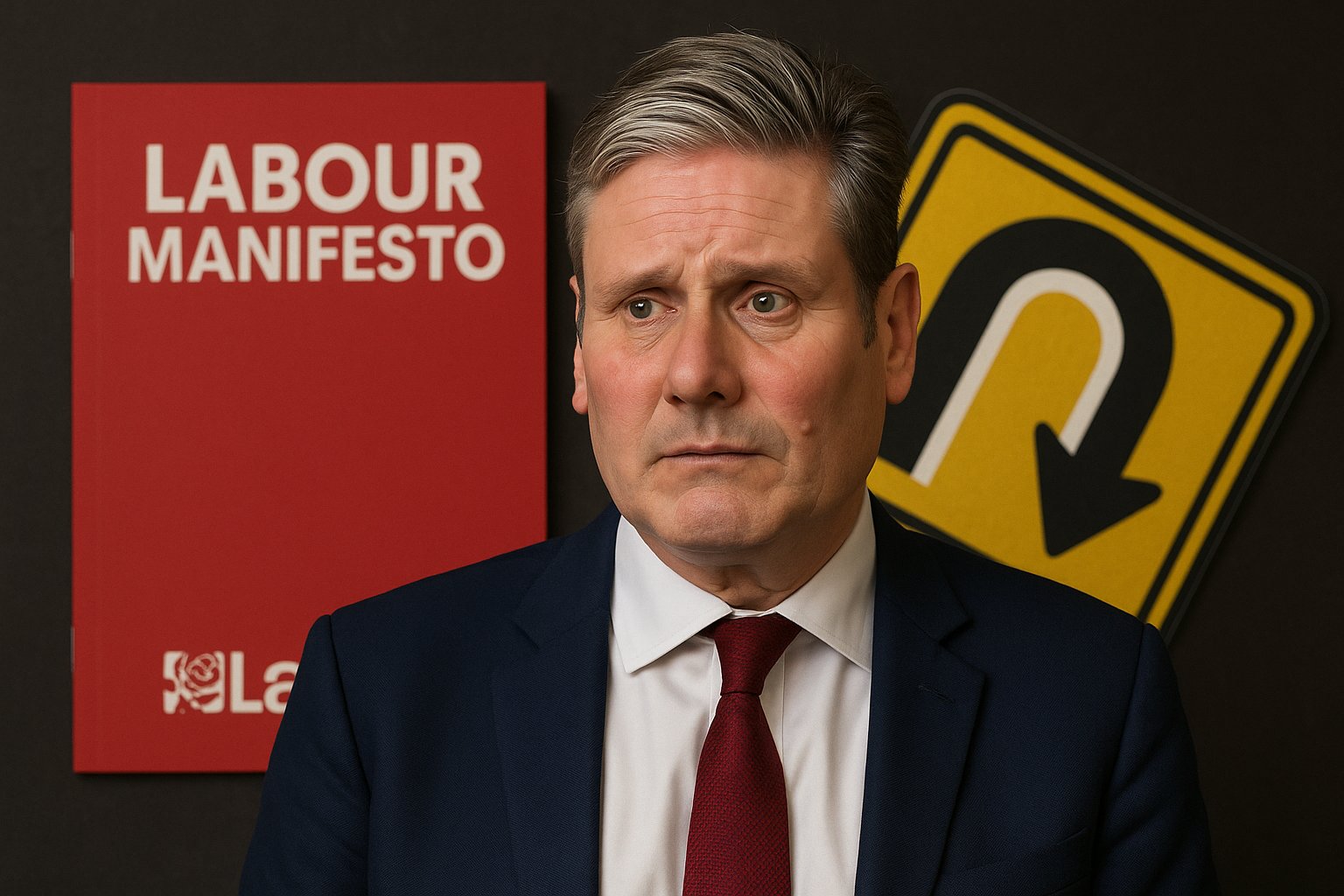
One of Labour's flagship employment promises has collapsed. Faced with relentless opposition from Conservative peers and a growing revolt among employers, ministers have abandoned their plan to grant workers protection from unfair dismissal from their very first day on the job.
The pledge sat at the heart of Labour's manifesto: employees would have been able to bring an unfair dismissal claim from the moment they walked through the door. After Conservative peers handed the government a string of defeats in the Lords, and with business groups in open revolt, ministers have confirmed the right will instead only apply once an employee has completed six months in post.
Shadow Secretary of State for Business and Trade Andrew Griffith welcomed the retreat but warned the wider legislation remained deeply flawed:
“This is a huge U-Turn after Conservatives defeated the Government in the Lords, It’s a relief for businesses, but make no mistake, this Bill is still not fit for purpose, It still means more strikes, fewer jobs, a banter ban, union right to roam businesses, and lower growth.”
Conservative Leader Kemi Badenoch put the climbdown squarely down to her party's persistence:
“This Labour u-turn would not have happened without Andrew Griffith and Conservatives in the House of Lords working together, relentlessly exposing the terrible measures in this bill, We were the only party mobilising business and workers against it. Very proud of my team!”
Business alarm forced the retreat
The reversal came after sustained warnings from employers and campaigning organisations, the Great British PAC among them, who argued that the original scheme would deter firms from hiring at all. As one business leader close to the talks put it, day-one dismissal rights were “commercially absurd”, asking: “Who on earth would hire someone knowing you can’t dismiss them after a single day if they turn out to be totally unsuited to the job?”
In a joint statement, six major business bodies said companies would be “relieved” at the U-turn, while warning that the government's broader employment package still contained “many concerning powers”.
Labour denies breaking its manifesto
Pressed on whether the climbdown broke a manifesto commitment, Business Secretary Peter Kyle gave a one-word answer: “No.” He insisted the manifesto had promised to “bring people together”, and that ministers were simply honouring a compromise “found by unions and the employers”.
That explanation has done little to blunt the criticism. Conservatives branded the decision “humiliating” for Labour, accusing Keir Starmer of accepting economic reality only after the Lords blocked the bill twice.
Unions split over the dropped pledge
Ministers claimed most unions backed the move to a six-month qualifying period, but Unite was scathing. Its general secretary, Sharon Graham, warned: “These constant row-backs will only damage workers’ confidence that the protections promised will be worth the wait. Labour needs to keep its promises.”
The anger reached Labour's own benches. Andy McDonald branded the U-turn a “complete betrayal”, while Bell Ribeiro-Addy said it proved the party was “beholden to what businesses seem to want”.
Tribunal backlogs and the hiring freeze
Critics had long warned that day-one dismissal rights would pile fresh pressure on an employment tribunals system already struggling with severe backlogs. Business groups argued that the looming threat of immediate legal claims was helping to choke off recruitment.
FSB chair Martin McTague said fixing the unfair dismissal rules mattered above all else, describing them as “by far and away the most important thing” to put right and adding: “I can’t emphasise too much that this part of the bill was the most important thing to put right.”
What happens next
Under the revised legislation:
- Unfair dismissal protection will start after six months rather than on day one
- The proposed new statutory probation period will be scrapped
- Day-one rights to sick pay and paternity leave will still take effect in April 2026
- The Fair Work Agency will be established in 2026
Even with the concession secured, Conservatives insist the bill remains a drag on the economy. Andrew Griffith repeated his demand: “Keir Starmer must grow a backbone, stand up to his union paymasters and ditch every single job-destroying anti-growth measure in the employment rights bill now.”
With peers still set to challenge the legislation, Labour is now squeezed from both directions, caught between employers worried about the economic fallout and unions enraged at watered-down protections, and unable to satisfy either.